

Last Updated on 04/26/2012 by Chris Gampat

Look through YouTube, forums, and other websites asking people about some of their favorite wide angle prime lenses: and you’ll probably find out about a little known gem to many: the Rokinon 14mm f2.8. Following along with Rokinon’s tradition of creating an affordable, manual focus, manual aperture, and optically sharp lens: it is a lens that takes some getting used to. To boot, I don’t often shoot this wide: so it forces me to not only get creative with my angles, but also get super duper close to my subjects.
As a note of reference: Rokinon is the same company as Samyang (their European and Asian version of the lens). They’re also sometimes known as the Vivitar, Bell and Howell and Pro Optic brands depending on the country it is sold in.
Regardless of what name the lens masquerades as, you all want to know one thing: how does it perform?
Gear Used
Also available in these mounts:
Tech Specs
Information borrowed from B&H Photo’s website
| Features | |
|---|---|
| Image Stabilization | No |
| Autofocus | No |
| Tripod Collar | No |
| Physical | |
|---|---|
| Dimensions (DxL) | Approx. 3.43 x 2.94″ (87 x 74.8 mm) |
| Weight | 1.0 lb (454 g) |
Ergonomics
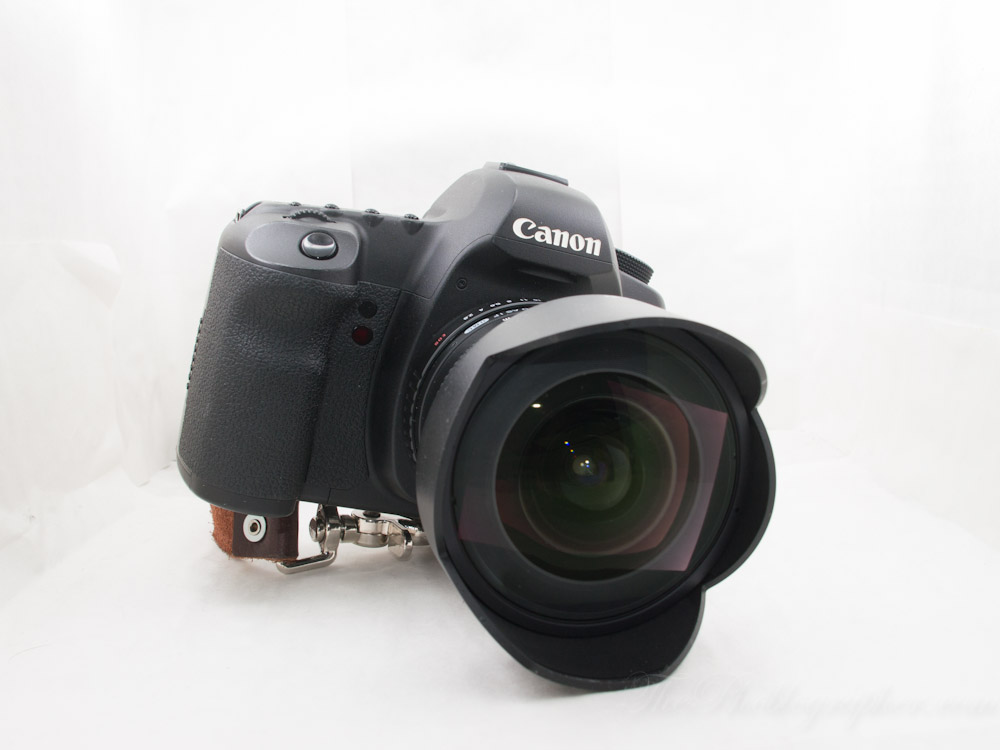
The Rokinon 14mm f2.8 has a very large front element with a permanently attached petal lens hood. The element moves back and forth as the user focuses the lens.
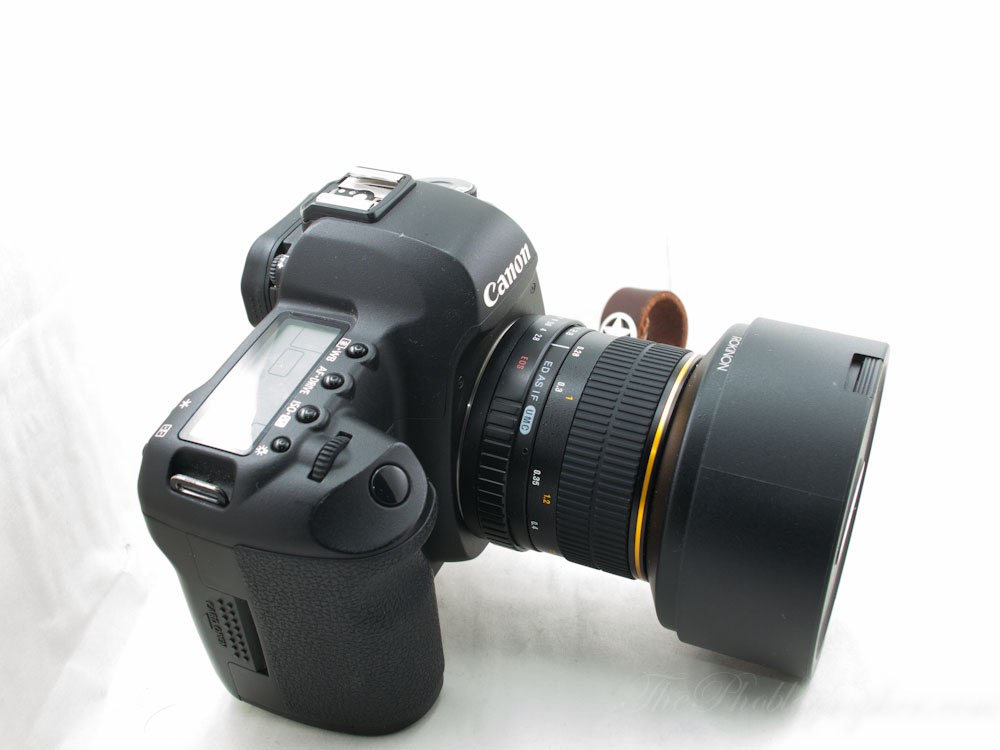
To protect that large piece of glass when not in use, there is a giant front cap. In real life use, this can be a little tough to place into a camera bag without some wiggling around.

The lens overall though, isn’t really that large at all. Nor is it heavy. It is characterized by an extremely large and wonderful feeling manual focus ring and a smaller aperture ring towards the end of the lens body. In between all that is a focusing distance scale.
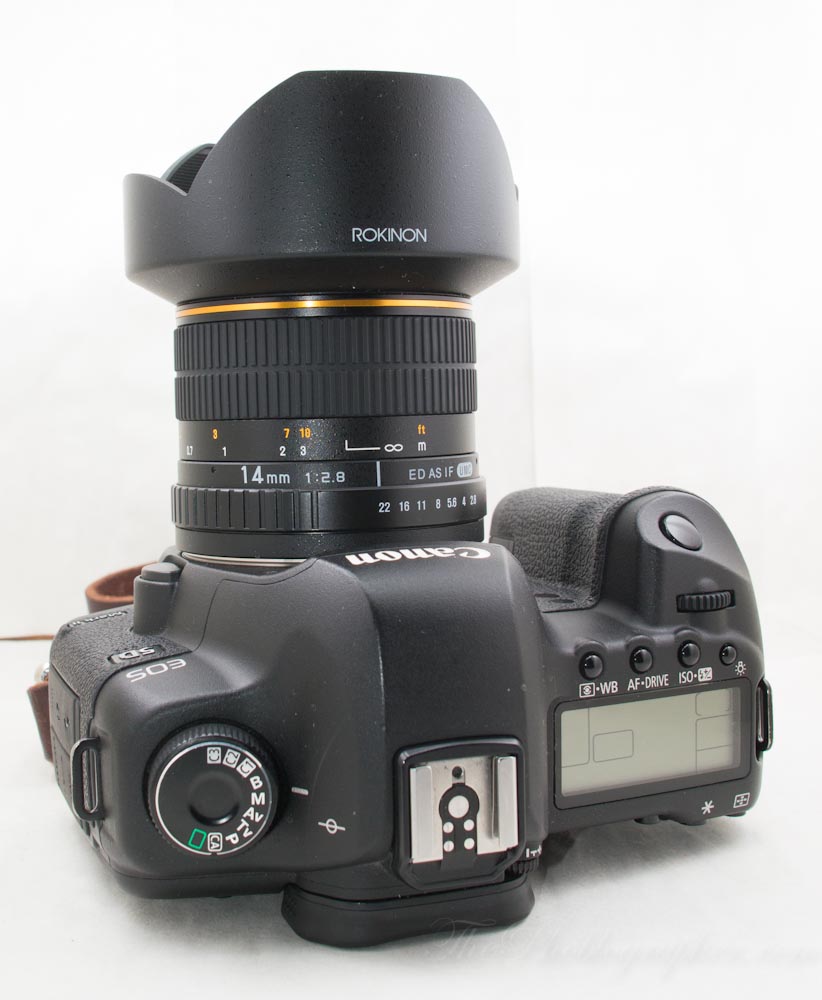
The aperture ring needs to be adjusted manually on Canon EOS camera bodies. That’s excellent for videographers. For photographers, it will mean that you’re essentially saying good bye to the back dial of your DSLR as all you’ll need to operate the camera is the lens dial and the shutter dial.
Focusing
To obtain the absolute best focusing accuracy, I highly encourage you to use the Kinotehnik LCDVF with a 5D Mk II, 7D or any camera model below these. If you’re using the Canon 5D Mk III, the viewfinder is bright enough that you probably won’t need any assistance. In fact, that almost made me want to upgrade to a Mk III due to just how crystal clear it was to focus through the viewfinder. Like Rokinon’s other lenses, they are not chipped for Canon EOS DSLR AF confirmation.
If you’re shooting video, you’ll need an LCD or the LCDVF anyway.
Unfortunately, the lens does not have a depth of field scale but it does have a distance scale: so that does help a bit for hyperfocal length shooting (also known as zone focusing.)
Ease of Use
 When using the LCDVF, you’ll really just need to focus out and use Canon’s magnification feature with the LCD enabled to ensure that you’re focusing in perfectly.
It can be confusing at times though. The lens outresolves the LCD display quite a bit; so maintaining perfect focus can be confusing at first when stopped down to f4 or f5.6.
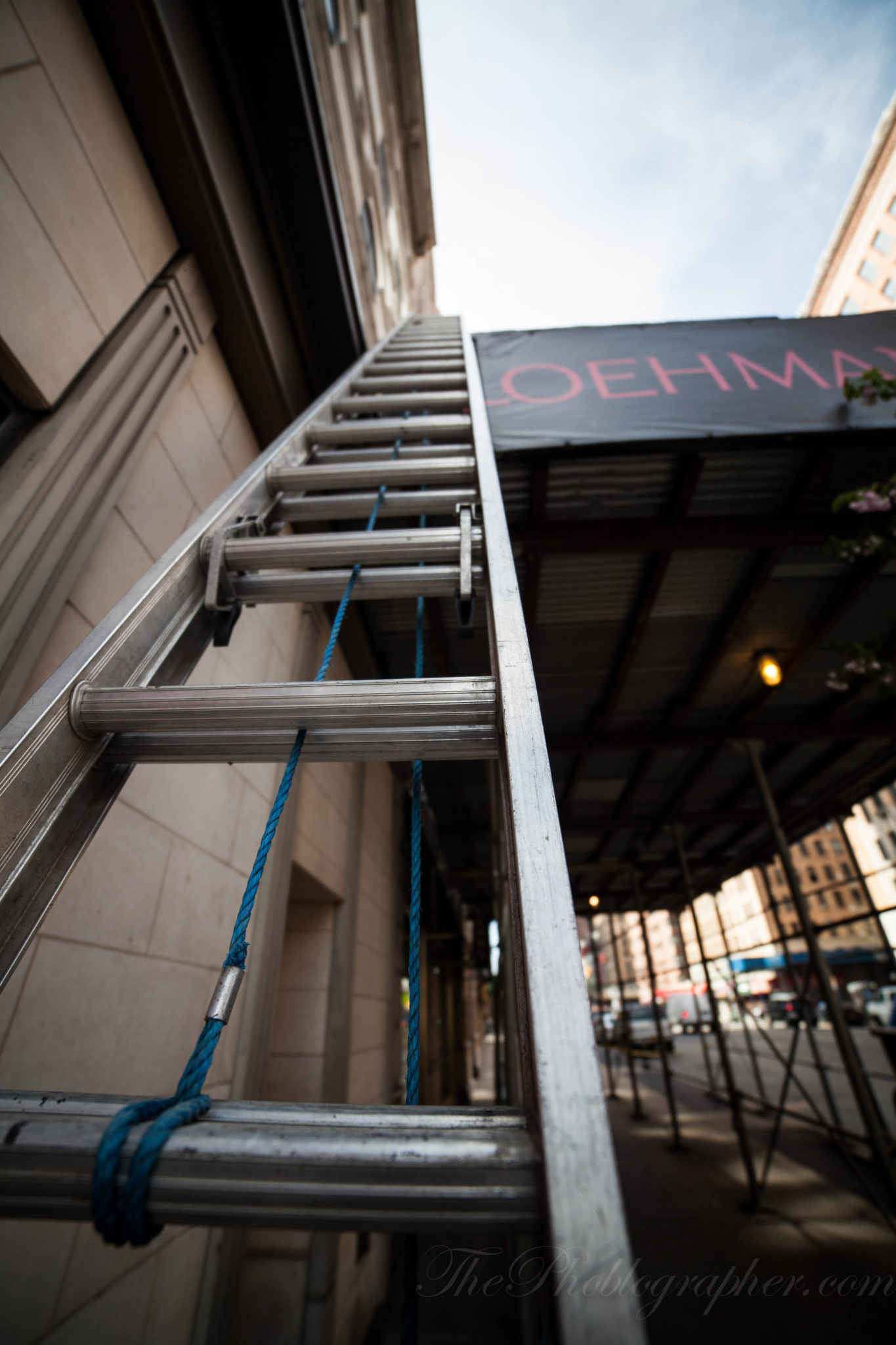
Make no mistake though: shoot with this lens wide open and you’ll see just how amazingly sharp it is wide open at f2.8; such as in the photo to the left. In focused on one of the ladder’s steps and the rest just falls into a sort-of kind-of oblivion.
In real life use, using a Rokinon lens like this with an LCDVF often goes something like this:
– Walk around, look for a subject.
– Find said subject. Put camera into Live View
– Stick eye into LCDVF and compose
– Move magnification target around onto the subject that you want to focus on.
– Magnify it 5x, and focus.
– Magnify it 10x and ensure that your focus is totally spot on.
– Get out of the magnification setting.
– Ensure that your exposure is all set. If you’re in Aperture Priority mode, skip this.
Finally, shoot the photo. It is a bit of a process, but it’s a wonderful one that makes you look more critically at your subjects and photos. Therefore, it also make you a bit more selective with your choices.
Videography
I did a quick video test with the lens on the Canon 5D Mk II.
Image Quality

The image quality from the lens is absolutely top notch, and I feel even rivals (and in some ways bests) the Zeiss 15mm f2.8. Of course, the image above was subject to heavy editing for artistic purposes. But the 500px community seemed to like it.
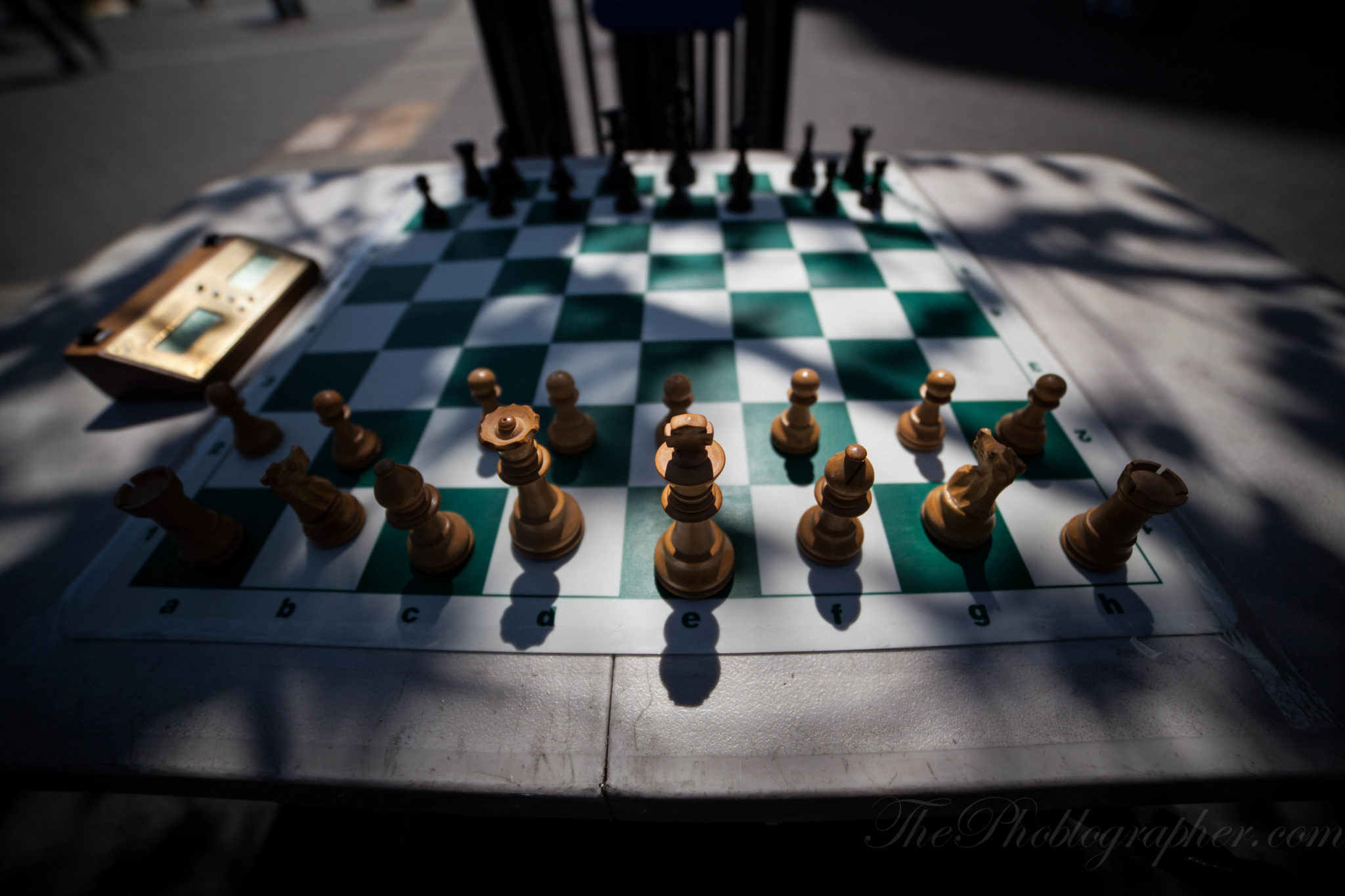
I have a couple of custom coloring profiles that I use with my 5D Mk II and 7D. Though the color rendering does come out like my Canon L lenses, the color isn’t at all displeasing. In fact, I love the way it all looks. Rokinon lenses tend to have a very particular look to them: or at least most of them do. The exception is the 85mm f1.4, which I feel renders skin tones wonderfully and was probably designed for this feature.
14mm lenses weren’t really designed to render skin tones though: they’re often used by landscape photographers, real estate photographers, event photographers looking for a creative angle, and architectural photographers. Don’t let that deter you though: these lenses can be used extremely creatively and make you think outside of the box.

The lens also seems to control distortion quite well, but it becomes tougher to manage around the corners: this is more evident in video though.
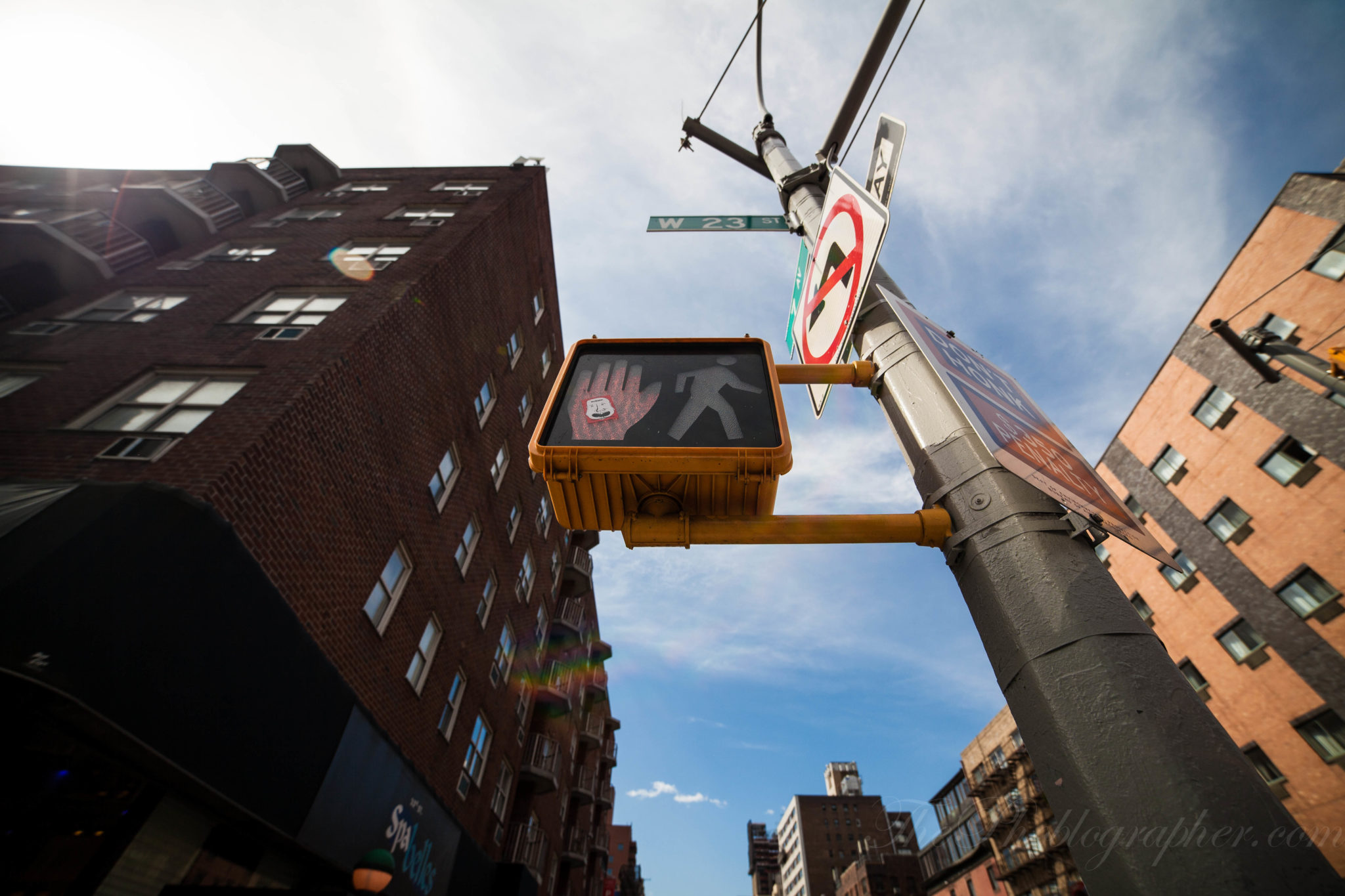
The lens also seems to control flair very well. I was essentially shooting right up into the sun for the photo above. You see a bit of the rainbow effect and some very tiny flair, but overall it isn’t terrible. It isn’t the level of control that Zeiss has though. That’s probably the best I’ve seen.
Additionally, I want to remind all fanboys in the forums to chill out: flair issues are easily taken care of in most post-production software. I’m also sure that SnapHeal could take care of it. Alright, you can breathe now. It’s not the end of the world and Cartier-Bresson is not going to rise from his grave with the zombie Apocalypse and eat the brains of engineers whom couldn’t get it perfect.
Though that would be kind of cool…
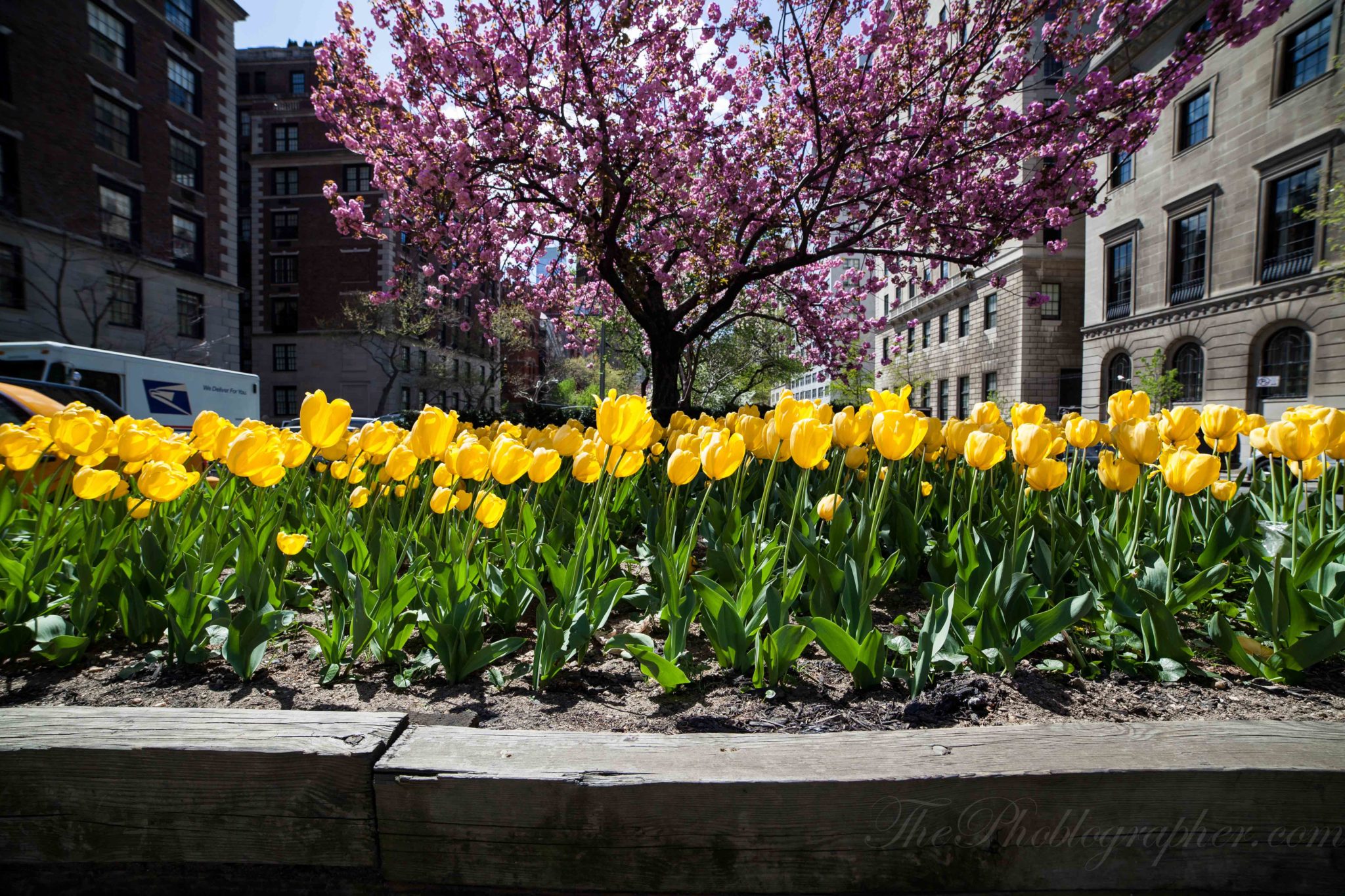
One issue that I did have with the lens though was that at certain times it seemed to throw off the meter in the 5D Mk II. It was rare though, and only happened in one instance in Aperture priority. But to be fair, that has happened with any unchipped lens I’ve used. With that said, it would be wrong of me to say that that hasn’t happened with Zeiss glass; but their lenses are in a whole different ballpark and price point.

Something that needs to be said about the lens though is that the way it meters with Canon DSLRs makes it better for HDR usage in a way. By that I mean that because it is unchipped, I was actually able to get the image to the right much easier with evaluative metering mode than I would be with a Canon lens: which would have probably blown out the highlights. Granted they could have been recovered in post-production because of just how good Canon’s modern sensors are, but it is convenient that I didn’t have to do that.
Over the time that I’ve reviewed all of the Rokinon lenses that I have, I realized that they generally tend to render subjects to the warmer side of the spectrum: even warmer than Canon normally does. In fact, on the same day that I shot most of these photos I had a family portrait session, and I was amazed at the contrasting image quality. An image taken with a Canon L lens tends to be much cooler in temperature than anything that a Rokinon will render.
It’s quite interesting; and it is also a factor to keep in mind when waking up at 4AM or getting to the right spot at 6PM to capture images during the golden hour.
Also keep in mind that this lens is so wide that it is almost impossible to get a filter on it without the use of lots of gaffers tape. Even then, it can be hard to get a polarizer or Neutral density. You’re perhaps better off just cutting the glass yourself and making it cover a portion of the lens. This is due to the bulbous element on the front. It is a characteristic of most lenses this wide though.
Lastly, there is no need to be afraid of putting a filter in front of the lens: it is really that sharp.
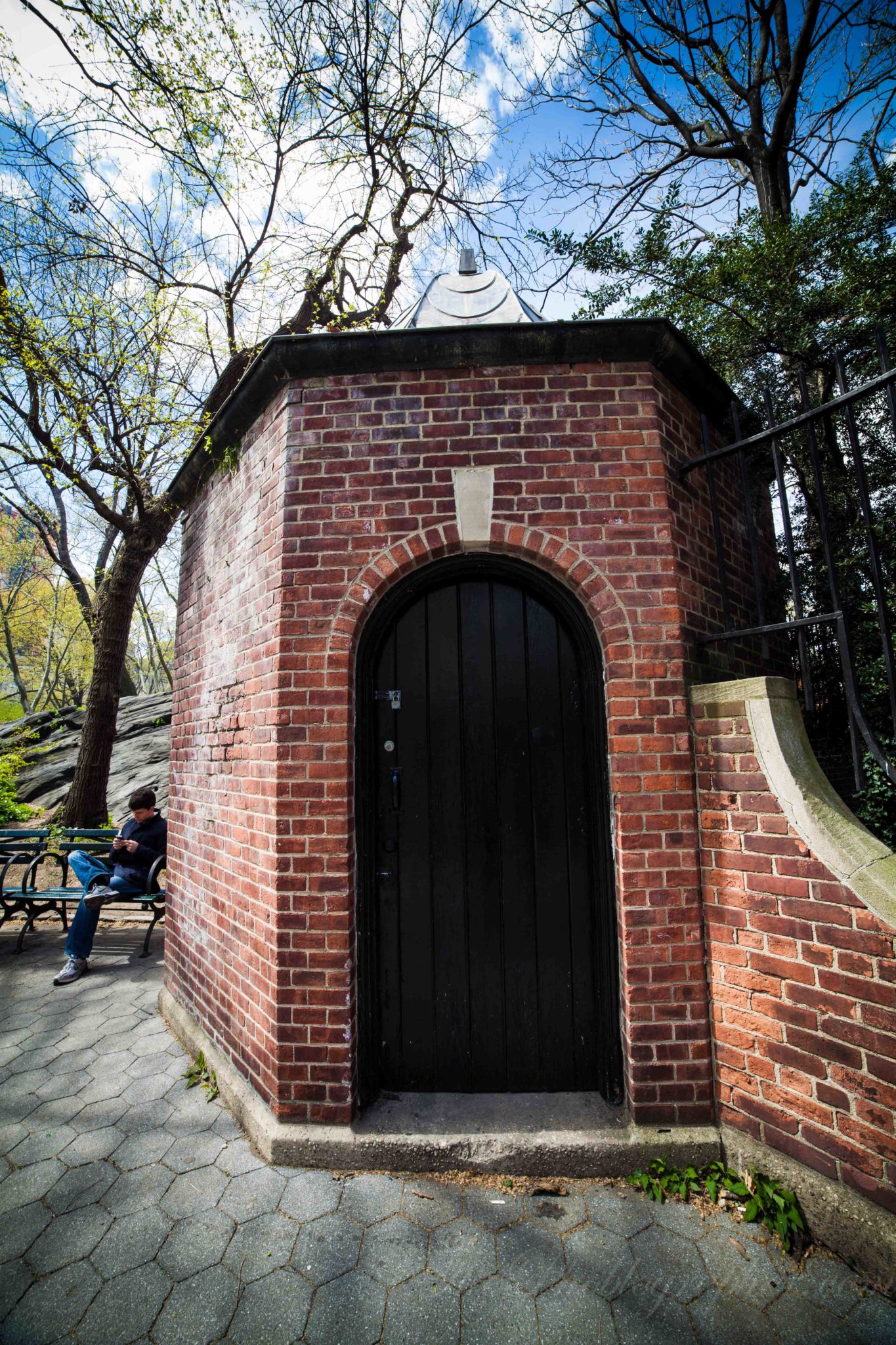
Extra Image Samples
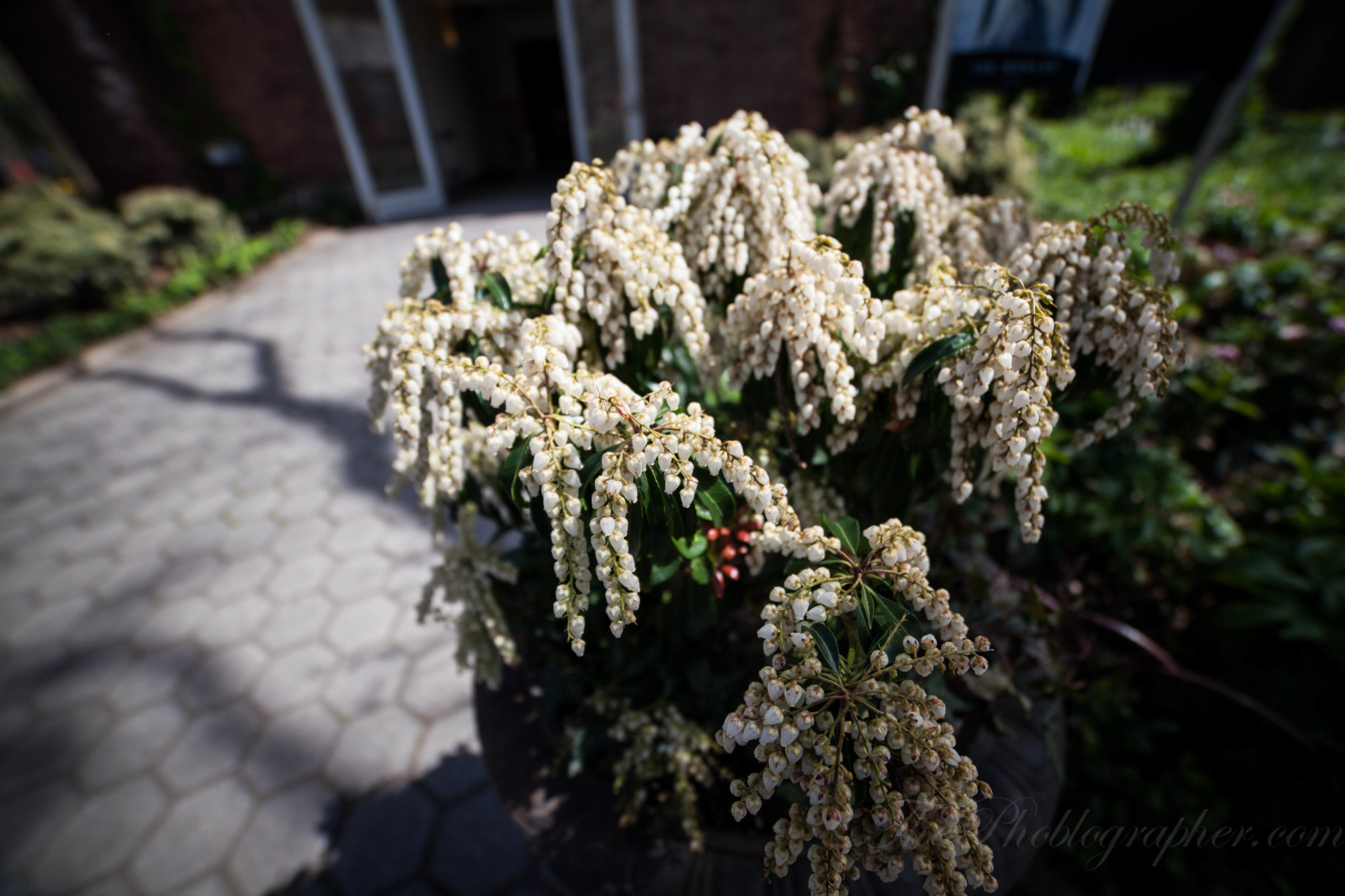



Conclusion
Rokinon has created an excellent lens with their 14mm f2.8. It is sharp, delivers some excellent colors, and is ergonomically pleasing. The only major issues are the lack of a chipped focusing mechanism to work with Canon’s cameras and the fact that I can’t put a filter on the front of the lens unless I hack a matte box onto it.
I really wanted to buy this lens, but I have absolutely no reason to do so because I almost never shoot this wide.
For the price at around $400, you really can’t beat it. Canon and Zeiss’s options offer either autofocusing or assistance, but this lens offers essentially the same quality at a much more affordable price.
This lens would win an Editor’s Choice if it were chipped for Canon users. The Nikon version is chipped though, and that is important to keep in mind.
Overall, it is a winner and Rokinon should be very pleased with what they’ve done here.
Please Support The Phoblographer
We love to bring you guys the latest and greatest news and gear related stuff. However, we can’t keep doing that unless we have your continued support. If you would like to purchase any of the items mentioned, please do so by clicking our links first and then purchasing the items as we then get a small portion of the sale to help run the website.