

Last Updated on 02/06/2012 by Chris Gampat
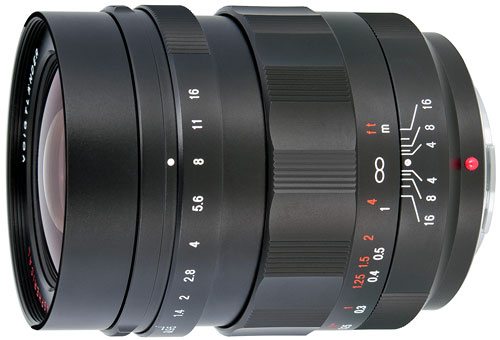
Have you ever sat there and literally drooled over an announcement? Well according to 43Rumors, Voigtlander just announced a 17.5mm f0.95; which equates to 35mm f0.95. The company already makes the very highly regarded 25mm f0.95 lens, and this is the one that I’m personally lusting after. I’m married to my Canon 35mm f1.4 L, and as my favorite focal length this has got to have Micro Four Thirds users excited everywhere. Complete with clickless aperture (excellent for video), it will also have a 58mm filter thread size. That’s about the size of the front end of a Canon 50mm f1.4. In reality, that may mean that this lens may actually be kind of big on a Micro Four Thirds camera body.
If you convert the Euros over to American, it will run you around $1704.93.
You can read more over at 43Rumors.
Get rid of the ads!
Did you enjoy reading this article as much as we enjoyed writing it? There's a way to support us and our reporting, getting ad-free navigation and more as a bonus. Subscribe to us for less than a coffee per month —just $3.99— or take advantage of our yearly subscription with a hefty discount for only $25.- An ad-free experience
- A free mystery box for Lightroom or Capture One
- All the books in our store
- 20% discount on Capture One
- 30% discount on Imalume Photo Theft Protection
- 20% off Herbs and Kettle Tea Company.