Upgrading Your Micro Four Thirds Camera System

by Chris Gampat on 11/22/2011

You’ve got a micro four thirds camera, and you want to move up to something better. Luckily, there are ways to move up in the system without having to completely switch to whole nother camera system. That saves you lots of money and time when it comes to selling and buying lenses. Like many of you reading this, I’m invested in the Micro four thirds camera system and so are many of my friends. We all started out with one camera and one lens and then moved on up depending on our own specific needs and wants.

This guide will assess the needs of those wanting to stay in a budget, shoot video, shoot stills, use the cameras as flair and for those that want to make the absolute best of the system.

Your Starter Camera and Lens
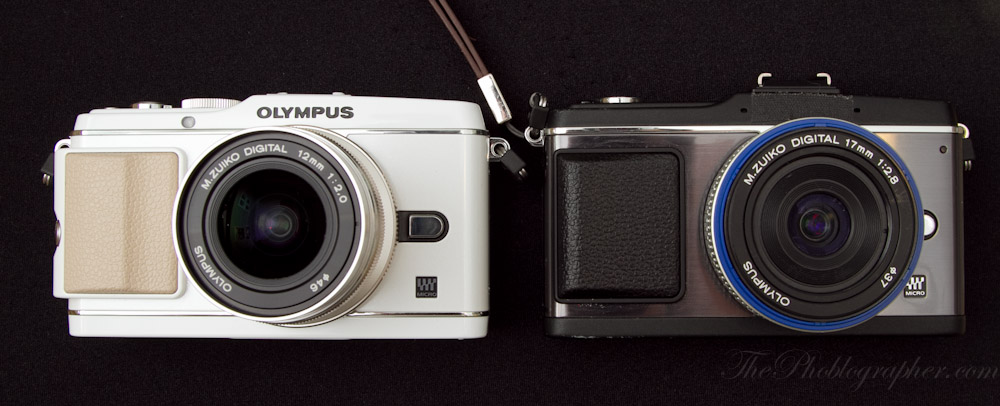
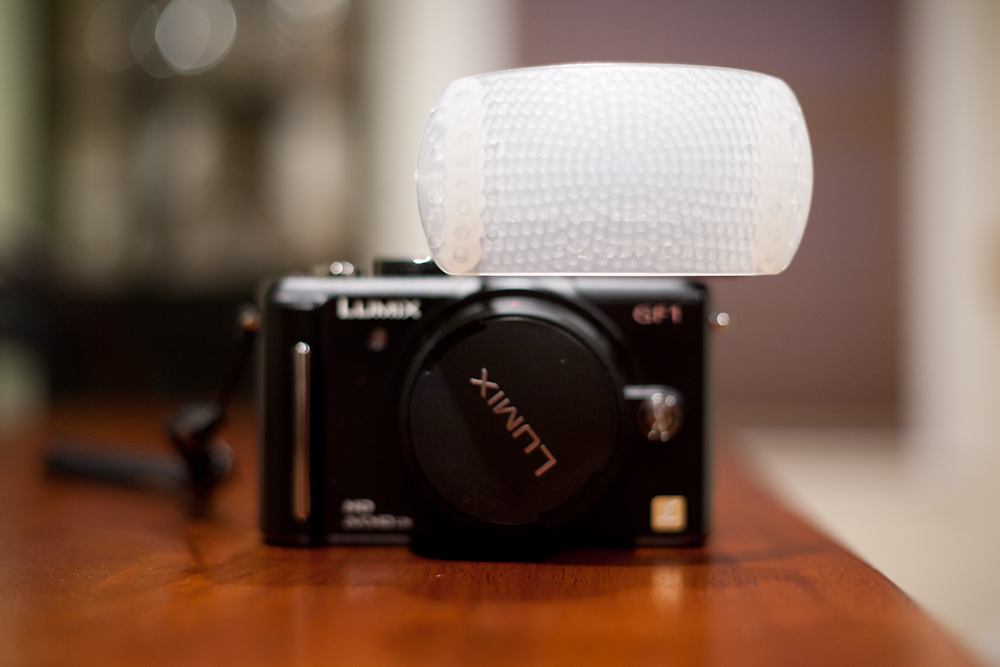
Many people often start out with something affordable and work their way up. Often times, this is the Panasonic GF1, Olympus EP2, EPL2, or now even the EPM-1. In the rare case, a user may start higher up in line with the GH2 or EP3.

As far as lenses go, the user either takes one of two different routes:

- They purchase a kit lens or pancake bundle

- They purchase adapters to use with their already purchased lenses.

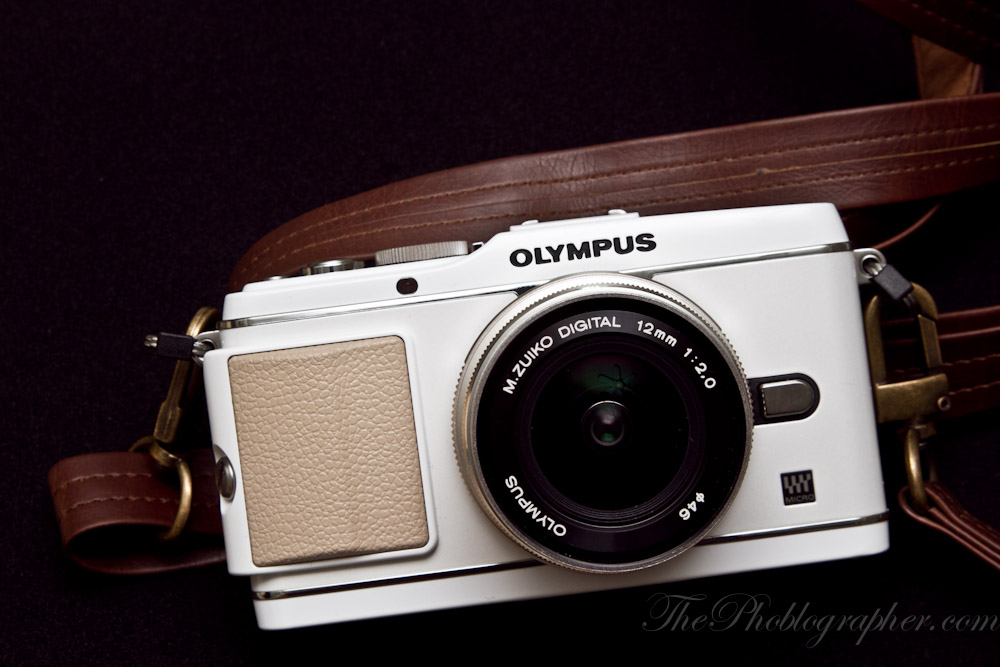
Personally, I started with the Olympus EP2 and 17mm f2.8. Friends of mine have started with the Olympus EPL2 or Panasonic GF1 and Panasonic 20mm f1.7 pancake if they wanted to shoot stills. If they were more video oriented, the user most likely bought a Panasonic GH2 and adapted Russian Cinema glass that they got off eBay. (Edit: here are some links with info on this here, here and here. if you’re going to purchase one, please click my eBay link first. Kudos to my good buddy Jurek Ugarow for the information, you should all take a look at his videos.)

But then comes the need to move up in order to help you to expand your creativity. Micro four thirds users are very savvy though and I’ve noticed that they often stick to and love their cameras no matter what the results may be compared to their Nikon and Canon using colleagues. With that said, they most often stick to their guns and go for another lens.

What You Need To Know About Lenses First
The Micro Four Thirds camera system has lots of available options to play with when it comes to upgrading to a new lens. Despite being a relatively new system, Panasonic and Olympus have worked tirelessly to put out new lenses and cameras often and have even had third party companies jump on board to develop lenses for the system. Some of these companies are Voigtlander, Pinwide, and SLR Magic to name a few. Not surprisingly, all of these companies manufacturer manual focus only lenses for the system.

Something to totally understand first off is that despite the fact that Panasonic and Olympus both manufacture cameras with the same mount, they aggressively compete with one another. Olympus accessories only work with Olympus cameras and vice versa with Panasonic. Even more interestingly, the new Olympus MSC lenses will only focus super quickly on the newer Olympus cameras and will lag quite a bit on Panasonic’s lineup. Not surprisingly, Panasonic’s lenses will focus slower on Olympus bodies.

The reason for this? The companies develop their own focusing algorithms to screw each other in a way. If you can get around and accept the slower performance of using another company’s lenses, then more power to you. Personally, I can’t.

Upgrading Lenses
Going ahead and actually upgrading the lens is something that you’ll need to consider carefully to ensure that you’ll have what’s best for you. As many Micro Four Thirds users know, the system was really developed to be used with small primes and small lenses. However, the companies developed larger zoom lenses to cater to the consumers that don’t know what they’re doing with the cameras.

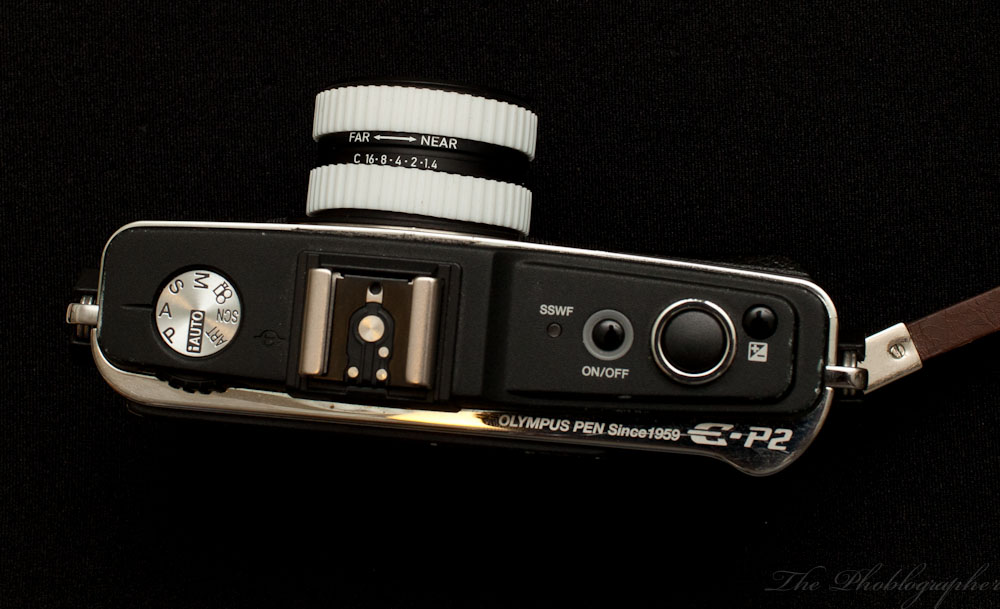
The more serious users (like us) spring for the small primes because of the pocket-ability. The system’s primes range from pancake size to fairly large for a small camera. Some of the best that offer autofocusing are:

- Panasonic 20mm f1.7

- Panasonic 25mm f1.4

- Olympus 12mm f2

- Olympus 45mm f1.8

But the more affordable primes that the system offers are:

- Olympus 17mm f2.8

- Panasonic 14mm f2.5

So what if you want a zoom lens? I don’t believe that I’m saying this, but both the Panasonic and Olympus kit lenses are actually quite good. I hate the Olympus 14-42mm f3.5-5.6, but readers loved the images I shot with it during my time touring Occupy Wall St.

The current creme-de-la-creme of the Micro Four Thirds zoom lenses though is the 7-14mm f4 with its constant aperture and excellent image quality.

Check out:

- Olympus 12mm f2 on the EP2

- Olympus 12mm f2 vs Panasonic 14mm f2.5 comparison

Third Party Upgrade Lenses
The Micro Four Thirds camera system has a load of third party lenses to play with that are natively created for the mount. These lenses fill the need for a totally different niche though. There are photographers out there that love to think of their micro four thirds system as a toy camera system to play with. For those people, SLRMagic makes the wonderful 26mm f1.4 and 11mm f1.4. Be warned though, these lenses aren’t your typical run of the mill glass.

The 26mm f1.4 has super swirly bokeh and the dials for focusing and aperture control are a bit quirky. However, once you accept the fact that they’re just toys, you’ll learn to love it. Indeed, it’s why I haven’t bought Panasonic’s 25mm f1.4.

The 11mm f1.4 severely vignettes when shooting in the 4:3 ratio. For the best results, I often encourage users to shoot in the 6:6 square format. This delivers some very, very fun and in fact spectacular results.

For even more fun, consider turning your camera into a pinhole camera. The Pinwide started as a KickStarter project but it never seemed to reach the mainstream in terms of popularity. However, the Pinwide is super fun to play with and I’d highly recommend it to anyone looking for a new perspective on their photography.

Now we get to the absolute best of the third party manual focus lenses. These are the:

- Voigtlander 25mm f0.95

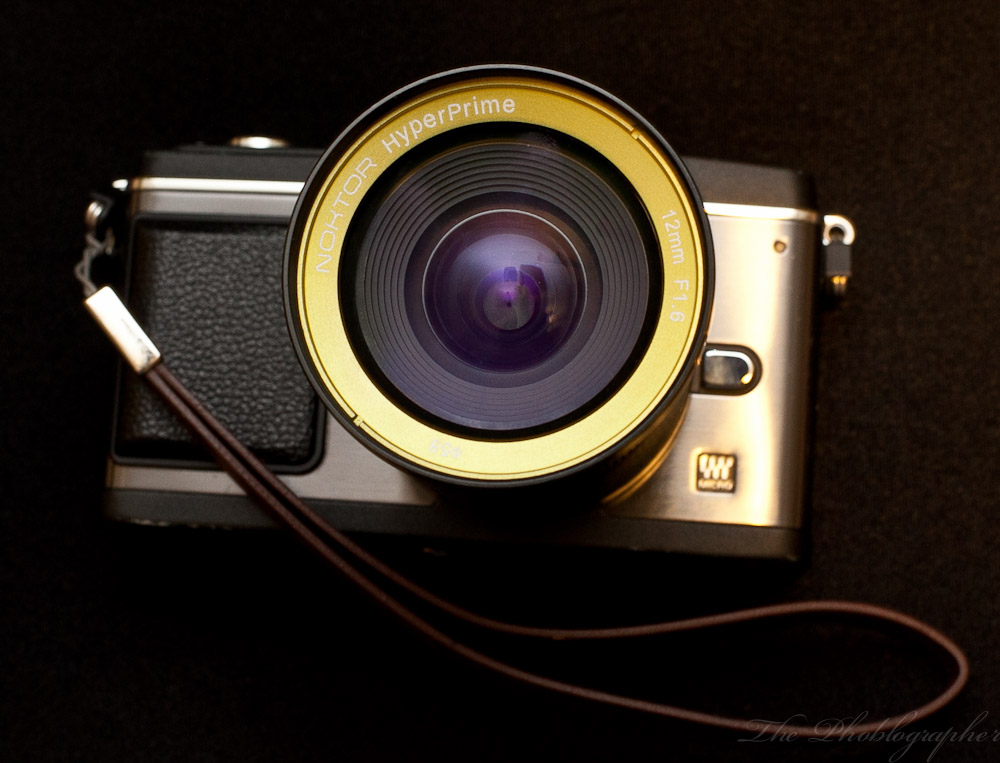
- SLRMagic 12mm f1.6

- Rokinon 7.5mm f3.5

Both of them are a low light shooters wet dream with the Voigtlander delivering the shallowest depth of field that the system offers and the SLRMagic being the first cinema prime lens developed for the system. When it comes to using a fisheye lens, the Rokinon is not only affordable but sharp, small, and built exceptionally well. Both lenses have excellent build quality and any user that plays with them will fall in love with the results that they get.

Check out:

- SLRMagic 26mm f1.4 review

- SLRMagic 11mm f1.4 review

- SLRMagic 12mm f1.6 Review

- SLRMagic 12mm f1.6 video test

- Pinwide Review

- Rokinon 7.5mm f3.5 review

Adapting Lenses

Then, your other option is to adapt lenses. For the most part, this is advantageous to Pentax users and those who own old school Nikon lenses. However, there are loads of Canon FD lens users. Indeed, the strength of the system is the fact that since it is mirrorless, almost any lens can be adapted to the camera. The key to this is to not purchase lenses that are too big, otherwise you’re missing the whole point of the camera system.

I personally use a Zeiss Biotar Jena 58mm f2 with more aperture blades than I can count. It is my current portrait lens and delivers some of the most wonderful images I’ve seen from my EP2.

Check out:

- Shooting Portraits with the Panasonic GH2

In that post, I use an adapted lens to shoot portraits in natural light.

Upgrading Cameras

Eventually, you’ll want to look into getting a second camera body. The reason for this is because of better ISO results, better autofocusing, sturdier build, etc. Indeed, I own the Olympus EP2 and EPM1. However, the latter was given to me during Olympus’s Pen Ready competition.

In a way, it’s an upgrade because of the faster autofocus system. However, day after day I find myself picking up my Olympus EP2 because I prefer its image quality and better build. But if I need to be super stealthy, I’ll put the 14-42mm MSC kit lens on the EPM1, focus quickly and get out of the way.

In practice though, that’s not to say that I can’t do that by using the Hyperfocal length focusing methods with the SLRMagic 12mm f1.6. That just takes extra work and being much more in tune with your environment.

If you want to shoot more video though, Panasonic is the way to go. The Panasonic GH2 and G3 are the current kings of the crop and there are cult followings behind these cameras in the videography world.

When it comes to stills, the Olympus EP3 and Panasonic GX1 are at the top of the game.

What you get ultimately comes down to what you’re looking for.

Check out:

EP2 vs EPM1

In that post, I assess the older camera against the new one. You can also take a look at various perspectives on the EPM1.

- Olympus EP3

- EP3 for street photography

- MSC lenses vs Canon 7D focusing test

- Panasonic lenses on the Olympus EP3

- LCDVF review (for videographers)

- Fader ND Mk II review (for videographers)

Please Support The Phoblographer

We love to bring you guys the latest and greatest news and gear related stuff. However, we can’t keep doing that unless we have your continued support. If you would like to purchase any of the items mentioned, please do so by clicking our links first and then purchasing the items as we then get a small portion of the sale to help run the website.

  • Sorin

    I hope this X-mas to start with e-p3+17mm. In the next monts i’ll looking for 14-150mm. And for the future 9-18mm and 12mm.

    • Delsol1

      The 9-18 is my dream lens. It is one of the reasons I went micro 4/3. It’s a little slow of course but since it runs up to a 36mm equivalent I often use it outdoors as my prime lens. It is also a very small and light lens.

      • MrClick

        Very nice article! Keep this up and you will have many many fans regularly visiting your site in ever increasing numbers! I’m your latest fan!! Cheers!

        • Anonymous

          We have 10,000 uniques a day already, but thanks for the kind words :)

  • Joe Gunawan

    Don’t forget to include the 4/3 lenses from Olympus w/ the adapter if you want fast zooms. I’m thinking about the Olympus 14-54mm Mk II f2.8-3.5 because it’s not too big for a fast lens, and the MkII has been optimized for Contrast AF that mu4/3 cameras uses. Plus, it’s $549 at Amazon & B&H right now!

    • Anonymous

      That’s very true

  • Delsol1

    I started with the Lumix G2 and now have a E-PL1 also. Got it when the price bottomed out last spring. Favorite lenses are the Olympus 9-18 zoom and the Panasonic 20 mm pancake. My best odd lens is a Canon 135mm f2.8 telephoto used with the micro 4/3 adaptor. Nice moderately long telephoto and super fast aperture.

    • Anonymous

      Moderately long? That’s super long…

  • http://twitter.com/MrKal_El Mr Kal-El

    Great article brother…

    • Anonymous

      Thanks man!

  • http://twitter.com/polarapfel Tobias Weisserth

    Hi Chris, what’s that puffer on the flash of the GF1? Does it work well? That’s something I am interested in. Can you elaborate a bit? :) Thanks!

    • Anonymous

      Yeah, we didn’t like it too much…

  • http://twitter.com/MichaelRpdx Michael Rasmussen

    “When it comes to stills, the Olympus EP3 and Panasonic GX1 are at the top of the game.”

    The GX1 isn’t out yet.  A search of this web site doesn’t find any editorial content on it.
    How can you state it’s a camera at the top of the game?

    Dissonant note in a bookmark worthy, great article. 

    • Anonymous

      Keep paying attention to the site and you’ll know soon enough buddy boy!
      *-Chris Gampat*
      Editor in Chief, ThePhoBlographer.com
      Twitter.com/Phoblographer
      Facebook.com/ThePhoblographer
      The Phoblographer on Google +
      The Phoblographer on Tumblr

      • http://twitter.com/MichaelRpdx Michael Rasmussen

        Soon!  Soon enough?
        I’ve one pre-ordered but Fuji sensor rumors give me pause.

        • Anonymous

          Rightfully so, hint hint.

          *-Chris Gampat*
          Editor in Chief, ThePhoBlographer.com
          Twitter.com/Phoblographer
          Facebook.com/ThePhoblographer
          The Phoblographer on Google +
          The Phoblographer on Tumblr

          • http://twitter.com/MichaelRpdx Michael Rasmussen

            Any hint hint on when?

          • Michael Rasmussen

            While I’m still looking forward to your review…
            I bought a GX1 with a 14mm Pana lens today (at the local camera store) and will soon have my own experiences to reflect on.

  • Greg Hao

    For someone who is brand new to m4/3 and on somewhat of a budget, is it more preferable/recommended to try to save up and buy a EP3 (which seems to be _the_ golden standard) or just bite the bullet and get a GF2 ($300 or so NEW!) in order to start the journey?

    • Anonymous

      The best camera is the one you have on you good sir.

      Go for the GF2. Heck, I’d say get the GF1 or EP2. The former is a cult camera and many photographers still swear to it.

      Oh, and please use our links and banners :)

      *-Chris Gampat*
      Editor in Chief, ThePhoBlographer.com
      Twitter.com/Phoblographer
      Facebook.com/ThePhoblographer
      The Phoblographer on Google +
      The Phoblographer on Tumblr

      • Greg Hao

        Absolutely agreed with your first statement.  It is in fact the main reason why I’m moving towards the m4/3 system.  I’ve been using a Canon G series camera for a long time and have absolutely loved it, until I came to the realisation: why am I carrying around all this (relative) bulk for a camera that still has got a tiny sensor.  Of course, a few years ago, the alternative was to move up to a SLR, which is truly bulky and not something I was interested in doing.

        Now that cell phone camera quality approach and equals compact cameras (and indeed is the device that is ever present for almost all of us), it’s made my G series camera that much more impractical.  With all of that say…

        The GF1 is indeed a cult camera and from what I understand is mostly because of the direction that Panasonic has gone down with the subsequent move towards consumers with GF2 and GF3.

        And I only brought up GF2 because of its cheapness.  The camera that I had been contemplating was actually the EPL2 (which seems to be a decent upgrade from the EP2?).

        Any more thoughts you might share would be greatly appreciated.

        • Anonymous

          The EPL2 is indeed a great camera. In terms of ergonomics, I think that it was the best designed (tied with the EP2) and is second only to the EP3.
          Have you considered the EPL3 though?

          The GF1 was a cult camera because it was the first camera to really show what Micro Four thirds was capable of in a small body with accessories to boot. Olympus shortly announced the EP2 afterward.

          I could never get the best results from that sensor, but many photographers have been able to.

          *-Chris Gampat*
          Editor in Chief, ThePhoBlographer.com
          Twitter.com/Phoblographer
          Facebook.com/ThePhoblographer
          The Phoblographer on Google +
          The Phoblographer on Tumblr

          • Greg Hao

            I’m agnostic on the GF1, if it can be found for a great price I certainly would entertain it.

            My own personal m4/3 search started with the GF2, which a friend owned that I played with and was quite delighted by the quality of the photo.  However, upon more homework, I started to appreciate the E-PL2 image samples a bit more (and I don’t ever envision I’ll get to the point where I am going to be manipulating raws, so out of body image quality is important for me).  Then of course, came the GF3/G3/EP3/EPL3/etc etc avalanche.  And, well, here we are today.

            I suppose all of this is probably pushing me back towards the EPL2, which as you say, is a great camera.  And really, “slow” focus is a rather relative thing especially considering I’m not going to be shooting sport or anything like that.

            As for the EPL3, no, I never gave it much thought.  For me, the tilt screen is kind of a gimmick and if I’m going for new kit, I’d rather save for the EP3.

            • Anonymous

              This kind of makes sense. If you want the best JPEGs, Olympus is hard to beat.

              However, you’re only limiting yourself by not playing with the RAW files. I embrace anything and everything that will help me to grow as a photographer.

              Fair enough on the EPL3, but the screen can actually come in handy. Although the EP3′s focusing is beastly fast.

              What subject matter are you shooting? And have you considered some of the manual lenses we mentioned?

              • Greg Hao

                I mostly shoot landscape with a bit of street thrown in, with the obligatory family get together and vacation shots of course.

                And ya, that’s another reason for me to go Oly over Pana, because the IBIS allows me to use a much wider range of lenses.

                • Anonymous

                  Then you’re fine with the slower focusing.

                  *-Chris Gampat*
                  Editor in Chief, ThePhoBlographer.com
                  Twitter.com/Phoblographer
                  Facebook.com/ThePhoblographer
                  The Phoblographer on Google +
                  The Phoblographer on Tumblr

  • chienDog

    I’m wondering which are the names of the Russian Cinema glass you are mentionning about the gh2 ?

    • Anonymous

      I’ll get back to you on that one. Hellios is a big one though. Shoot me an email at chrisgampat[at]thephoblographer[dot]com as a reminder please.

    • Chris Gampat

      The article has been updated with lists of the lenses right around that section.

  • Kenny

    Excellent article. I’m loving my brand spanking new E-PL3, having upgraded from the noticably bigger C-7070!

    You mentioned that the autofocus tends to be a bit slower when mixing lens and bodies. I’m considering getting the Panasonic 14mm pancake to go with my E-PL3. Would the focus speed be really that much slower?

    • Anonymous

      You be the judge with similar lenses: http://www.thephoblographer.com/2011/07/11/using-the-olympus-ep3-with-panasonic-lenses/
      *-Chris Gampat*
      Editor in Chief, ThePhoBlographer.com
      Twitter.com/Phoblographer
      Facebook.com/ThePhoblographer
      The Phoblographer on Google +
      The Phoblographer on Tumblr

      • Kenny

        Thanks Chris. The Oly 12mm f/2 is most certainly very fast. However, I think the price of the Pana 14mm and the really small size makes it a rather easy choice for me. :p

        • Anonymous

          Consider the SLRMagic 12mm f1.6 as well, but I see where you’re coming from.
          *-Chris Gampat*
          Editor in Chief, ThePhoBlographer.com
          Twitter.com/Phoblographer
          Facebook.com/ThePhoblographer
          The Phoblographer on Google +
          The Phoblographer on Tumblr

  • Timmay1979

    Really nice article!! Thank you, i upgraded my e-p3 with the 12mm 25mm and 45mm now i’m done!! Been shooting everywhere!! Here are some samples full size with all exif data on most of them.

    Greetz. Tim.

    http://www.flickr.com/photos/timvanvliet/sets/72157627295087905/

    • Anonymous

      So jealous of you…

      Chris Gampat,
      Editor in Chief
      The Phoblographer

  • Leo Capello

    I just purchased the GX1 with a 20mm.  After having tried the EP3, I think this camera is superior.  Ergonomics and photo quality are much better to me.  My only question is “What should my next lens be to get myself towards a well rounded kit?

    • Anonymous

      That depends on what subject matter you shoot.

      *-Chris Gampat*
      Editor in Chief, ThePhoBlographer.com
      Twitter.com/Phoblographer
      Facebook.com/ThePhoblographer
      The Phoblographer on Google +
      The Phoblographer on Tumblr

Previous post:

Next post: