

Last Updated on 11/17/2011 by Chris Gampat
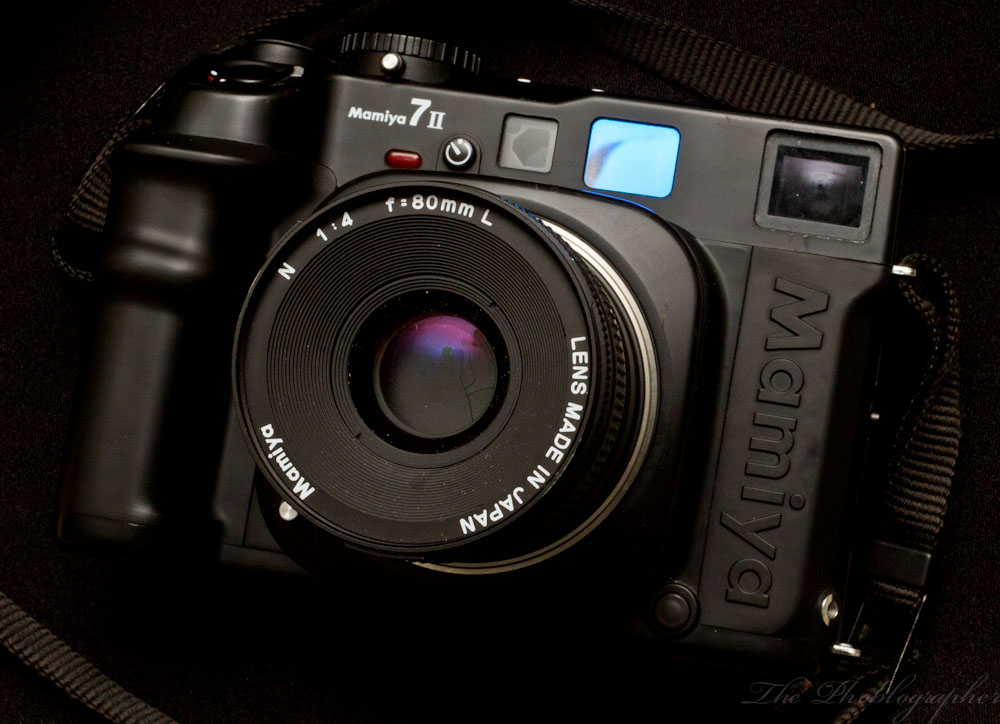
I love film. The Yashica Electro GSN captured my heart a while back and so did the Leica M7. Thankfully, I was recently loaned a Mamiya 7 II medium format film rangefinder with an 80mm f4 lens. Coincidentally, Kodak also was kind enough to hand me rolls of Tri-X 400 and Ektar 100 recently. Even better: a friend of mine recently got hitched. So how does the Mamiya 7 II perform while shooting handheld in extremely dim situations and with slow film?
Ergonomics
The front of the Mamiya 7 II seems to have an eye that looks you squarely in the face and says, “shoot with me. We’ll make a great team together.” Despite how elegant it looks, the camera is amazingly capable or doing some very high level professional work. It is a medium format camera after all. It is characterized by few buttons with the only ones being of major importance being the lens release and delay shooting timer.
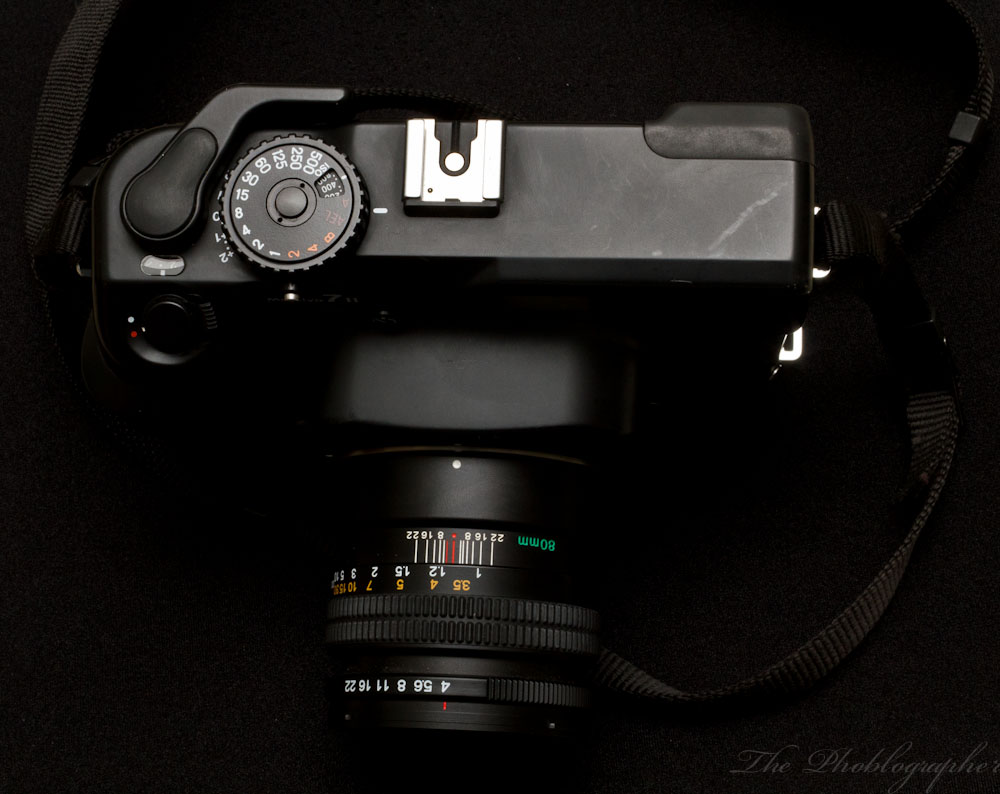
The top of the camera is where all the business goes down for the most part. Up here you have a special dial that serves the purpose of controlling exposure compensation, shutter speed and ISO setting.
– To control exposure comp, use the button of the side of the dial and adjust.
– To control the shutter speed, just turn the dial.
– To control the ISO setting, pull the dial up and turn.
There is also a hot shoe, film advance and film counter. Plus the lens will allow the user to control the F stop manually. Because of this, the camera has only manual and aperture priority. There is no shutter priority or program mode. Not that that is much of a problem; this is a camera meant for pros.
Also, the shutter release is here as is the on/off switch right around it.
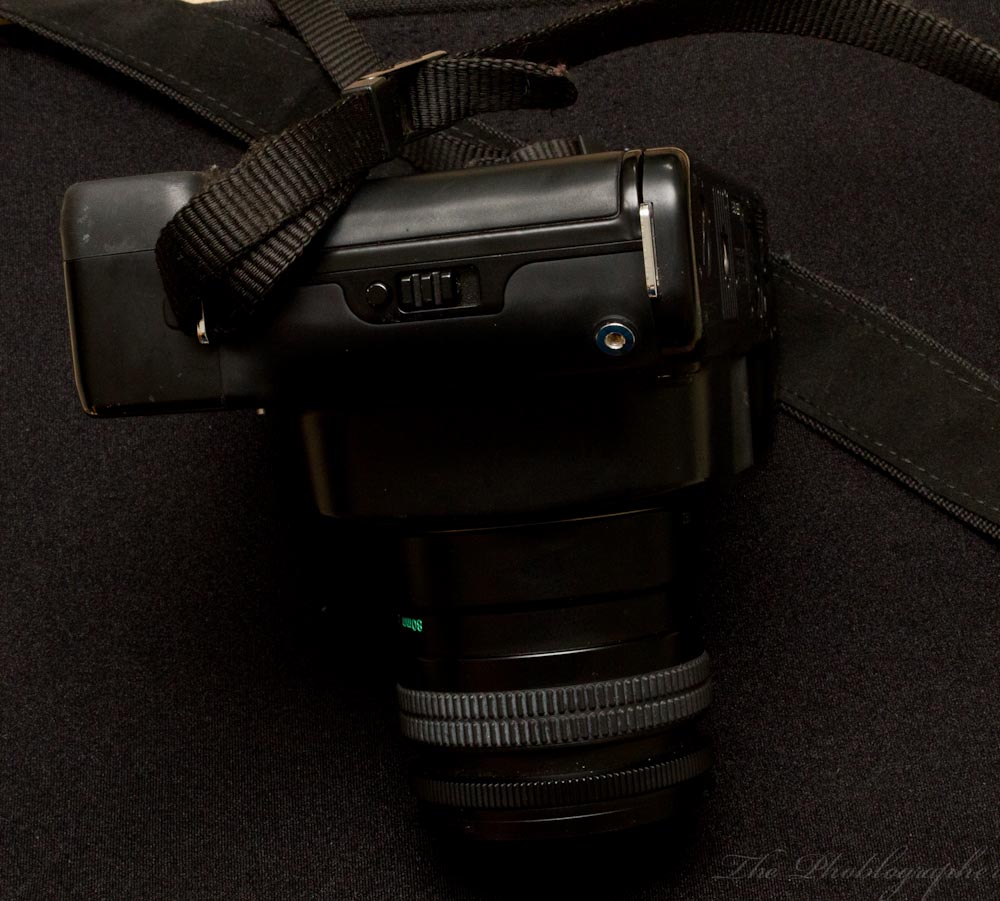
The side of the camera features the lever to pop the back open and a spot for a sync cord.
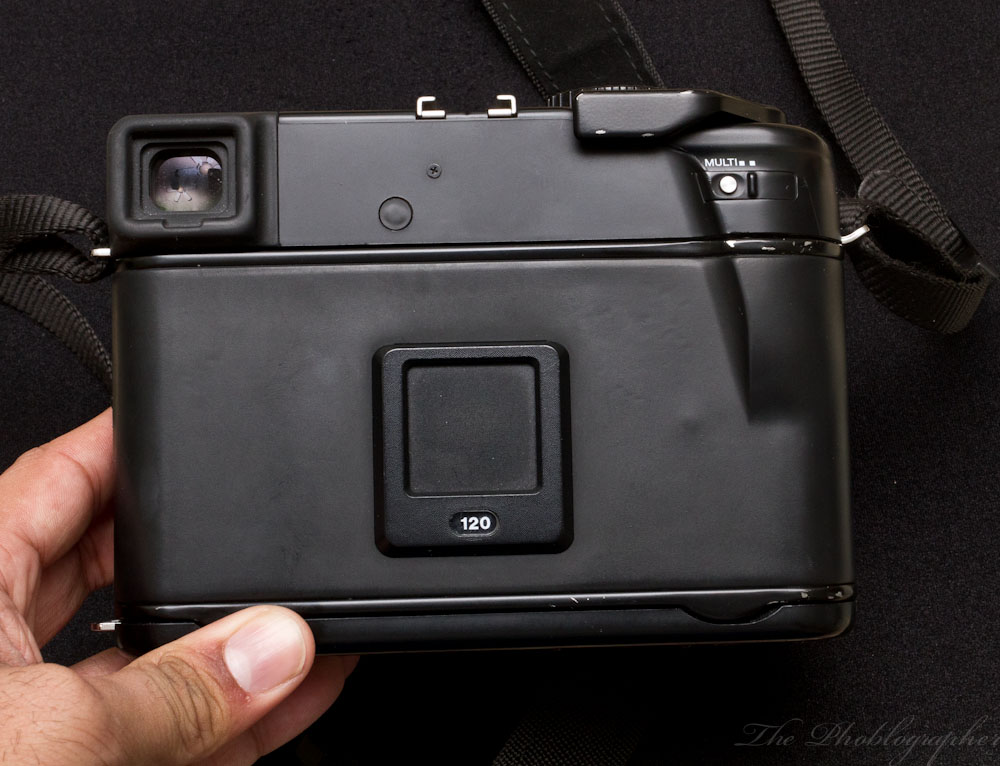
The back of the camera is where you can load the film, frame and focus, and set a multi exposure setting if you’d like.

The bottom of the camera is where things get interesting:
– The circle with a straight line in it on the left pop out when the inside latch in the film container is released.
– The circle with a lever on it is for closing off the tunnel between the lens and the film so as not to expose it at all.
– Next to that is a button that pops up when you’re ready to take out the film from the camera. It needs to be pressed back in when you want to shoot.
Focusing
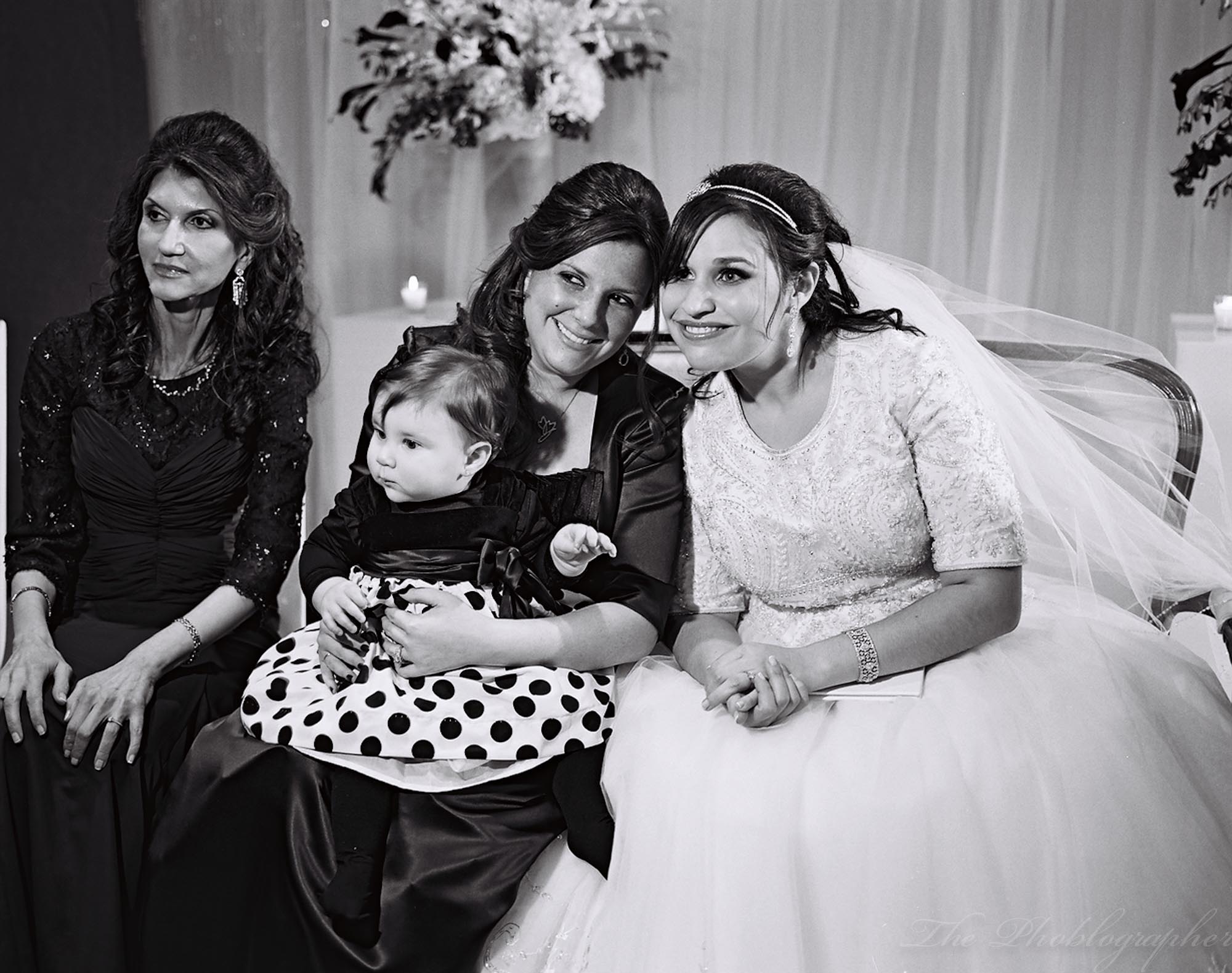
Focusing the camera is done through the viewfinder and the camera focuses line any other rangefinder (see that here.) There is also paralex correction for when you focus at certain distances. All focusing needs to be done manually.
In Use

The Mamiya 7 II feels very good in the hand. Once again, it is also very elegant. The grip is smooth and is not textured to give you a better grip on the camera. Nor is the camera heavy at all. In fact, I find it lighter than my DSLRs. When snapping a photo, you’ll also notice that there is also no vibration from the shutter at all. However, the camera is indeed so quiet that you sometimes can’t even tell when the camera has opened the shutter and then closed it.
During the wedding I shot at f4 and in aperture priority the entire time. If I were getting paid, I wouldn’t be doing this and I’d be in full manual mode. However, this was all just for fun.
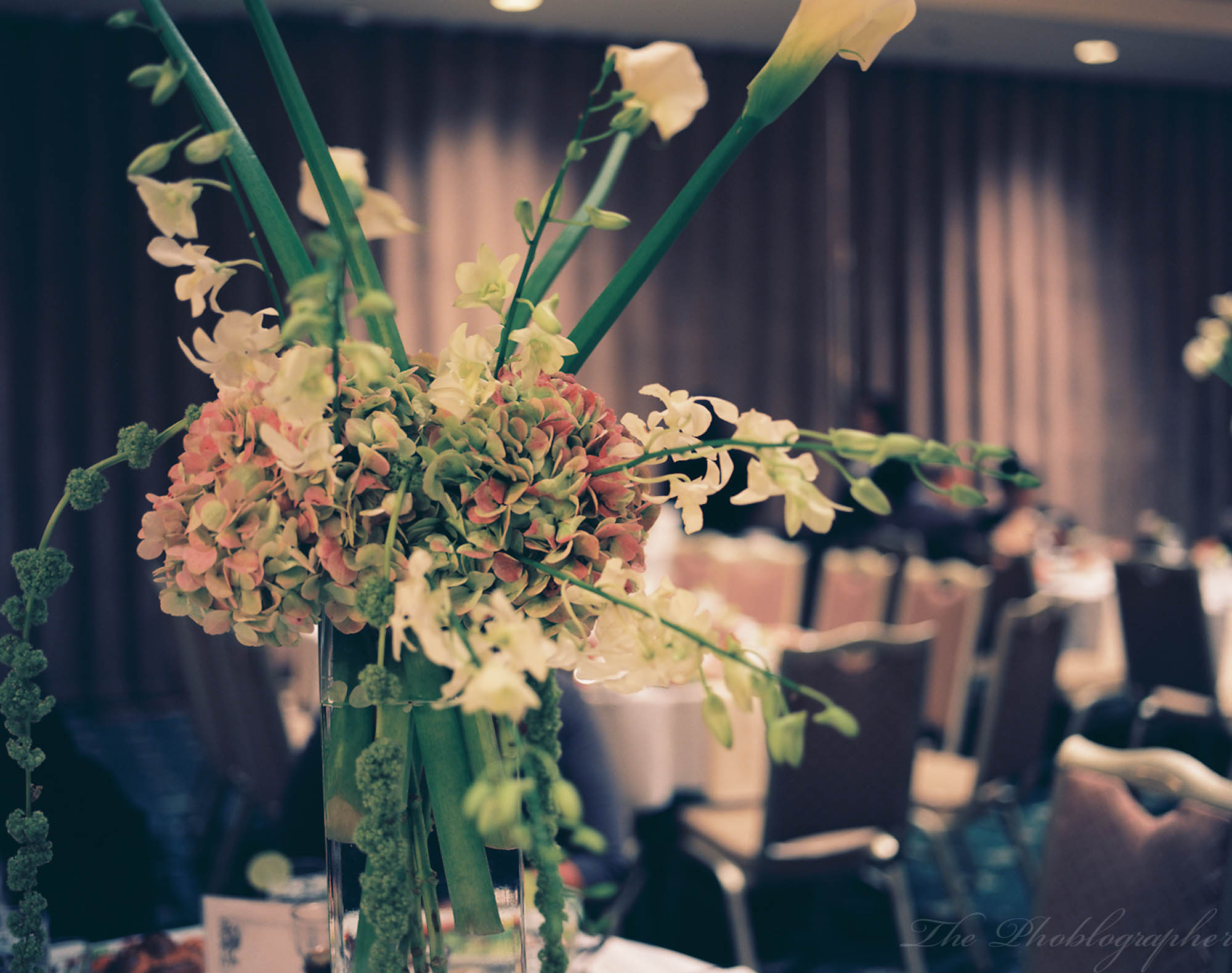
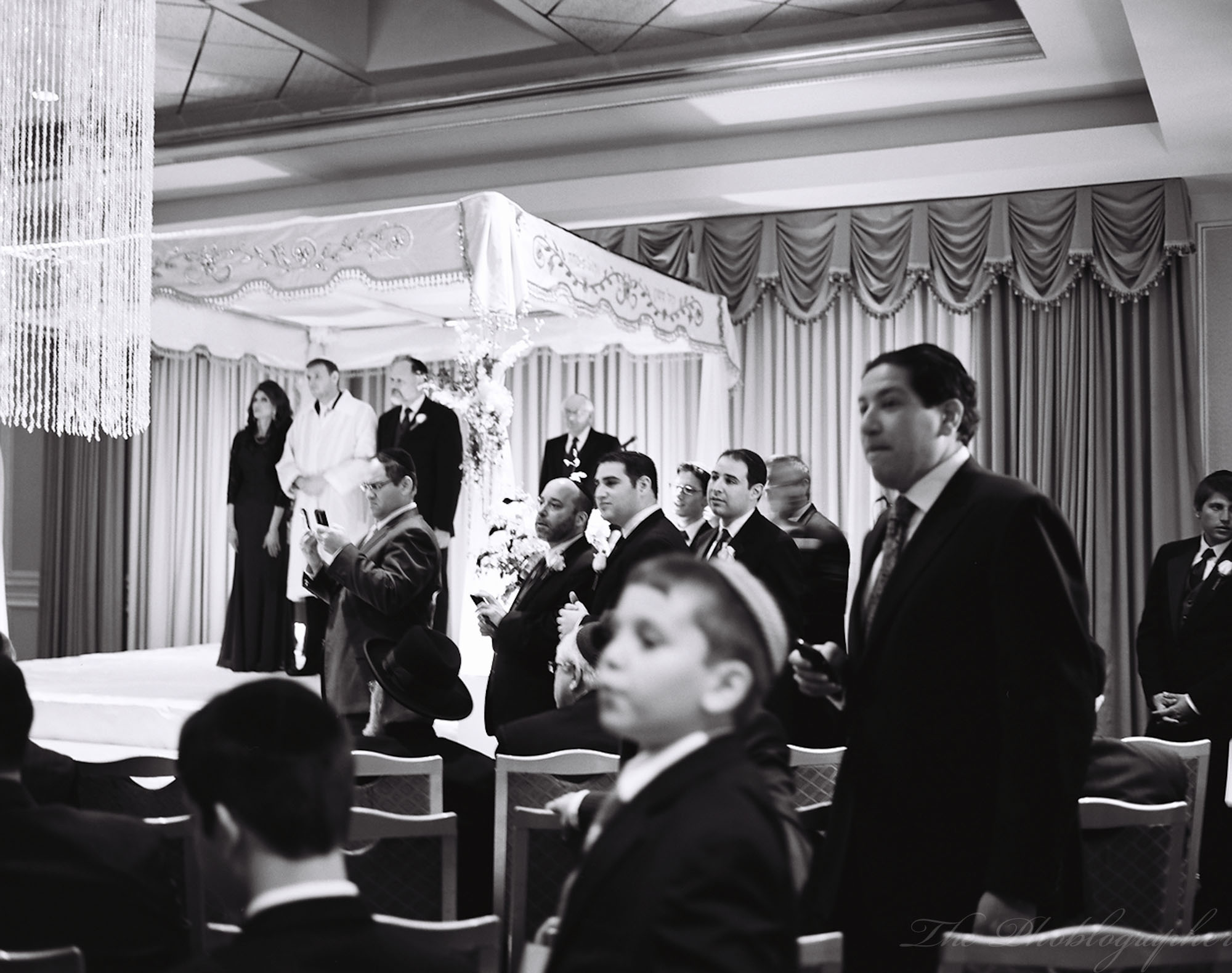
I shot very few usable images with the Kodak Ektar 100 that night simply because the hall was just so dimly lit. However, I got more keepers with Tri-X 400. Indeed, the latitudinal range of black and white film is enormous.
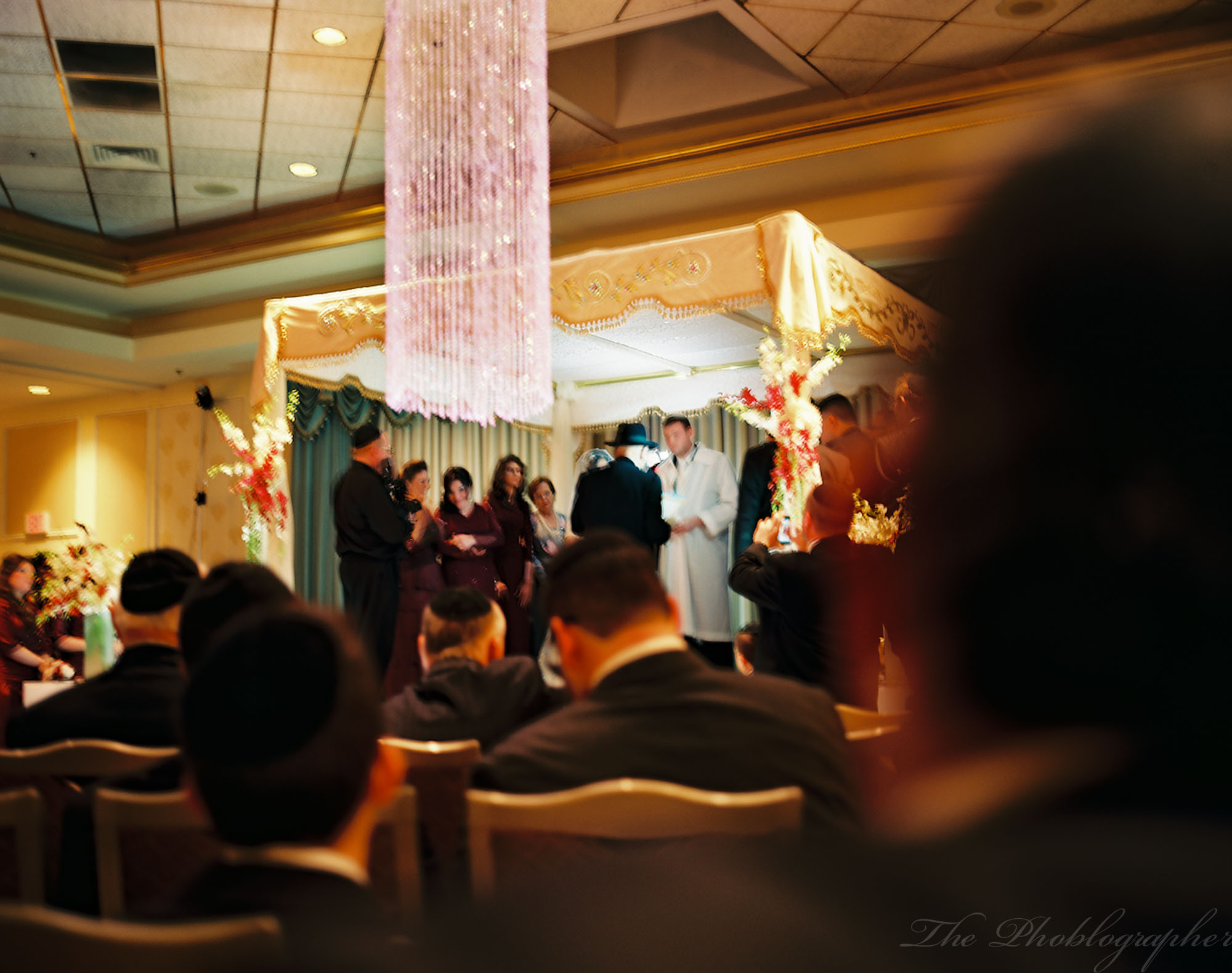
When the lens is able to stop motion and when there is no camera shake, it is super sharp. Unlike in the photo above. This was extremely difficult to capture.
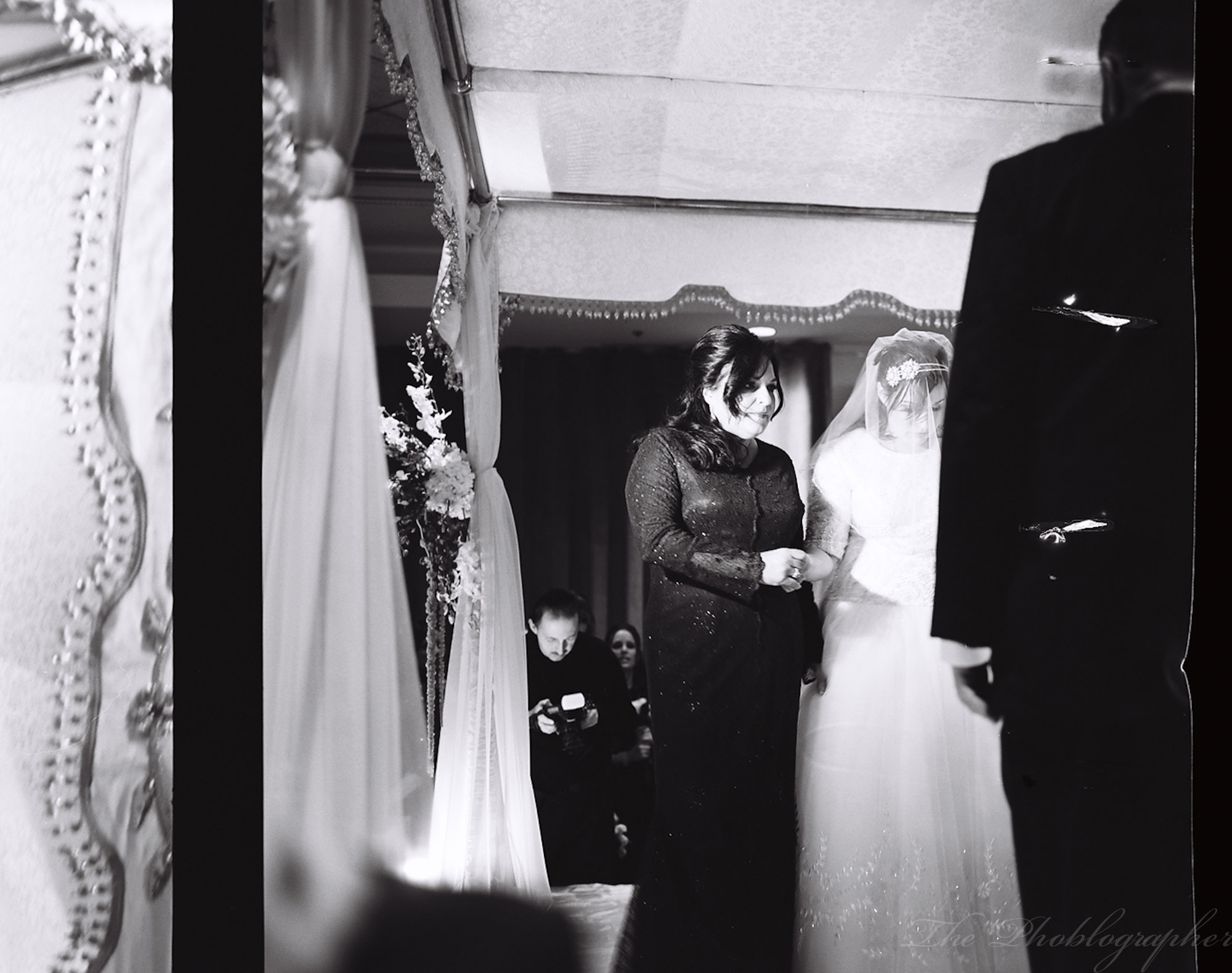
A complaint I have about the camera has to do a little bit with the viewfinder. Don’t get me wrong, it’s big, bright and gorgeous. But why Mamiya would choose to make the shutter notification numbers on the bottom so small is beyond me. The company should have made them larger.
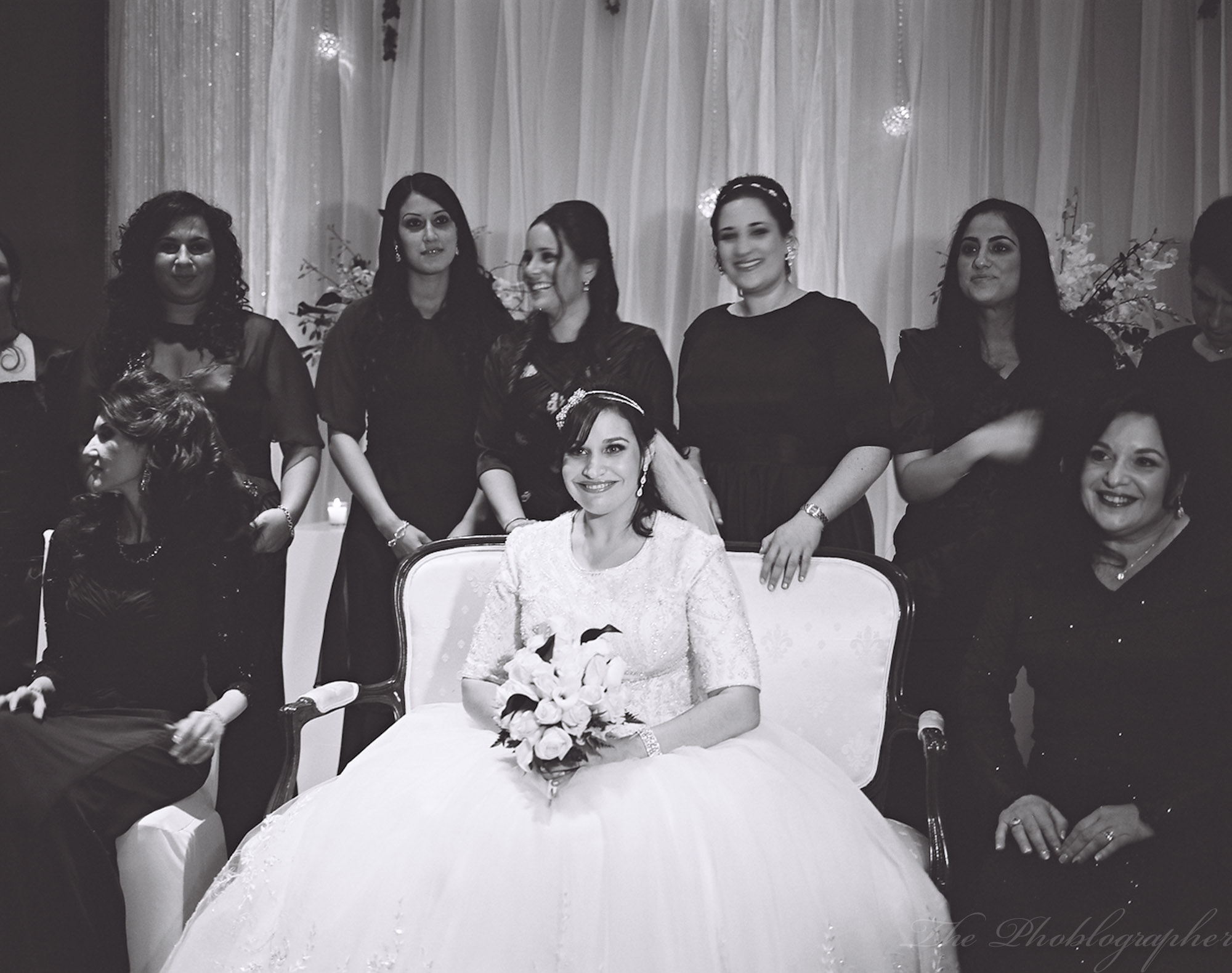
Throughout the night, I really wish that I had a flash. Sure, rangefinders were designed to really not be used with a flash (unless you’re Bruce Gilden.) But I would have loved to have used one at Lauren’s wedding. Granted, if I did, I know that my full scale photographer mode would have went off.

Though the quietness of the shutter will not alarm anyone around you despite how large the camera is, it is sometimes so quiet that even I can’t hear it. So if the shutter is open, I don’t necessarily know that it’s going to close later on. Further, the viewfinder will display something along the lines of LTE for a longer exposure mode. And you won’t know just how long the camera will shoot for.
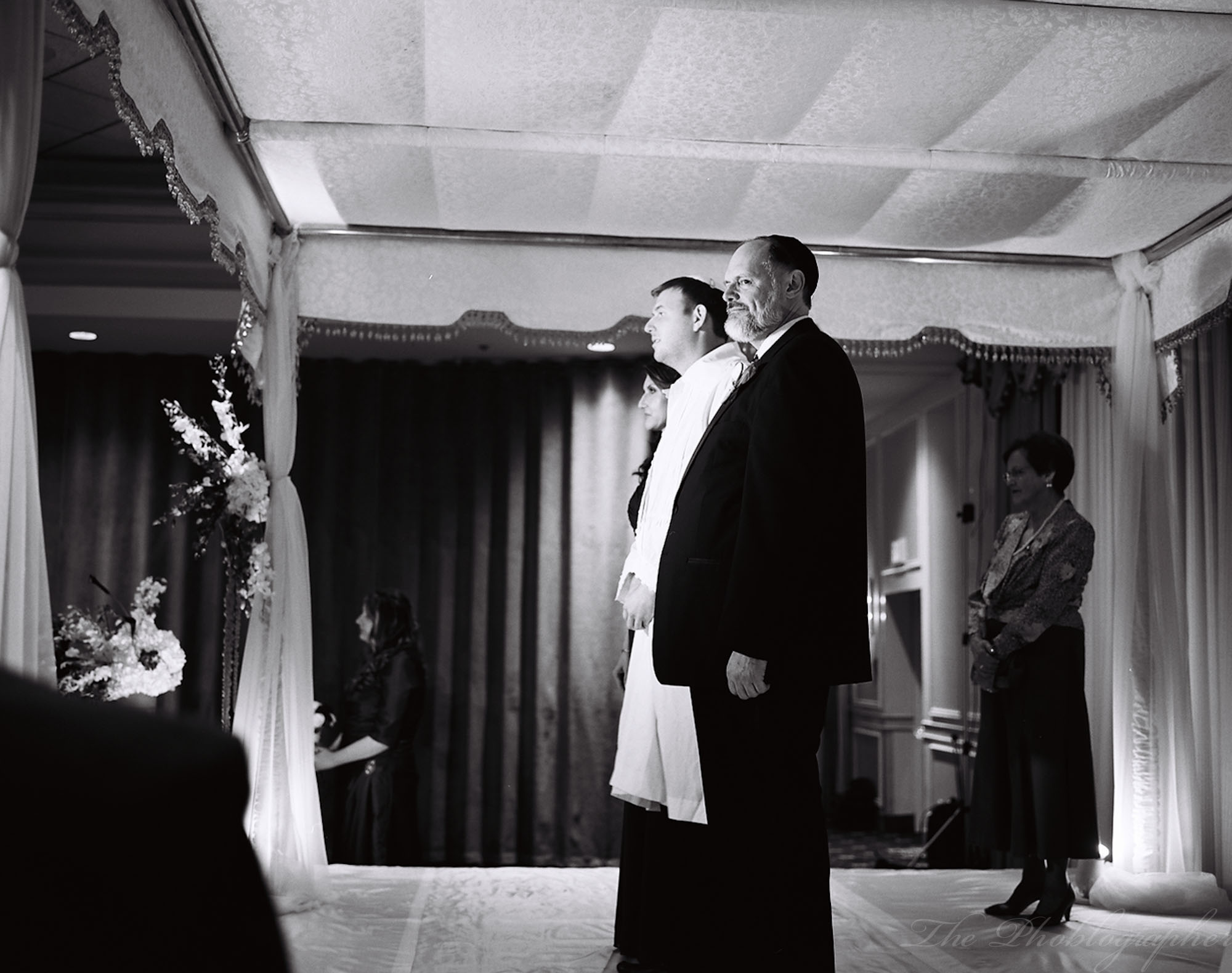
Tri-X seems like it was designed to be used with this camera. Unfortunately, I was a bit disappointed with the performance of Ektar 100. However, I do understand that this was an extremely low light situation and I am willing to forgive it a bit.
Conclusion
So would I recommend the Mamiya 7 II?
In this case, yes yes and yes. I screwed up in this case because I brought a slower lens and not enough fast film. But if I was better equipped with that film, the photos would have been much better.
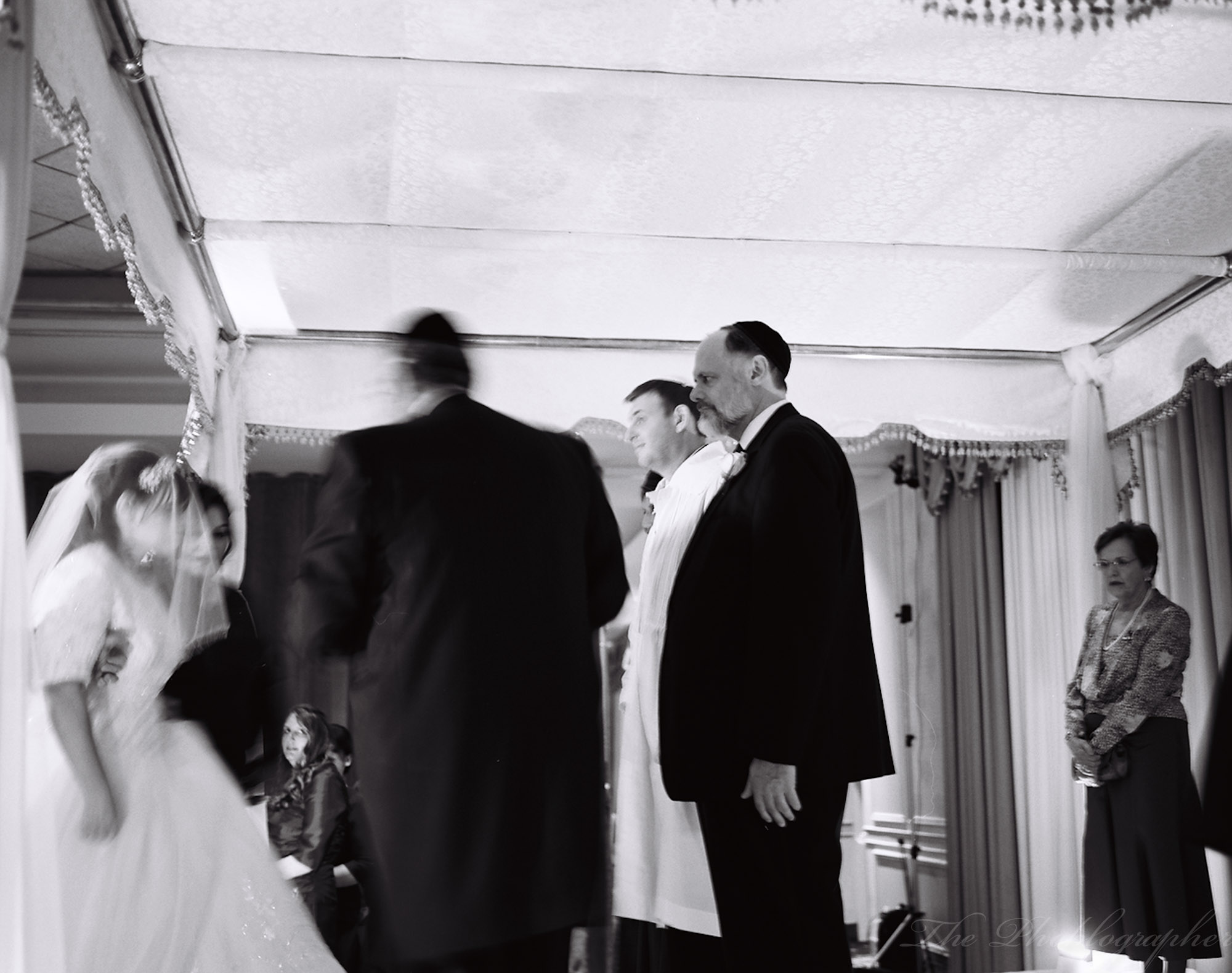
Would I buy one? Interestingly enough, I’ve been considering it. I’m at the stage in my career where I can tell the difference between film and digital and full frame and medium format. The only problem is that there comes a point where the negative can only do so well when scanned in. Additionally, I don’t want to buy a medium format digital camera.
For the seasoned professional looking for something different or if you want the absolute best rangefinder camera that you can find out there, take a look at the Mamiya 7 II.
Please Support The Phoblographer
We love to bring you guys the latest and greatest news and gear related stuff. However, we can’t keep doing that unless we have your continued support. If you would like to purchase any of the items mentioned, please do so by clicking our links first and then purchasing the items as we then get a small portion of the sale to help run the website.