

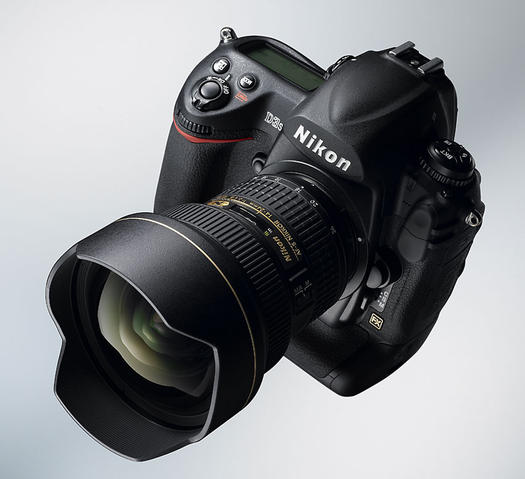
No matter how great your camera’s focusing is, there is always something better that will come out. This has been the mantra of technology for years: however, in the digital age of photography, many companies are looking back to the past for ideas. And indeed, the past is repeating itself—translucent mirror cameras, the rise of rangefinder-type cameras, taking film models and simply making them digital, etc. With that in mind, you should consider two focusing systems that I’ve recently experienced myself that absolutely floored me.
However, they also left me scratching my head and wondering why we’re not using them right now.
Before I go on, don’t get me wrong: the current crop of focusing on cameras is very good. However, we can always do better.
Polaroid’s Sonar
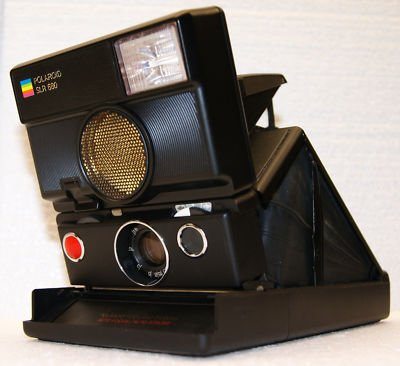
Way back when your parents were probably still hip (or just barely), Polaroid came out with cameras that focused using sonar. One of these cameras was the SLR 680. I was given a demo of one of these cameras recently at the Impossible Project store. The speed at which the camera focused was amazing—it was quite literally instant.
Here’s how it worked: You pointed the camera at the general area you wanted to shoot. Then you started the autofocus. The camera shot out a beam of sonar sound (which was inaudible to the human ear.) The sonar would hit something and then bounce back at the camera. The camera would then focus on whatever the sonar hit.
The reason why this was so amazing was because it could work perfectly in the dark. Don’t believe me? Ask a bat.
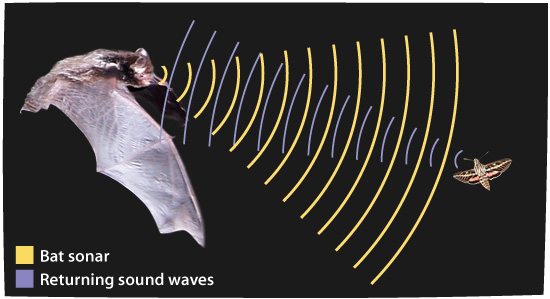
Bats use a sonar system similar to dolphians known as ecolocation. It helps them to find food and see things in the dark. It differs from Dolphins because their system can be so highly fine tuned that it can stun their prey.
And while the sonar didn’t stun me, it did give me a little bit of a headache. However, I’m positive that if we continued to develop the sonar focusing in cameras that it would be more human-friendly and also much better.
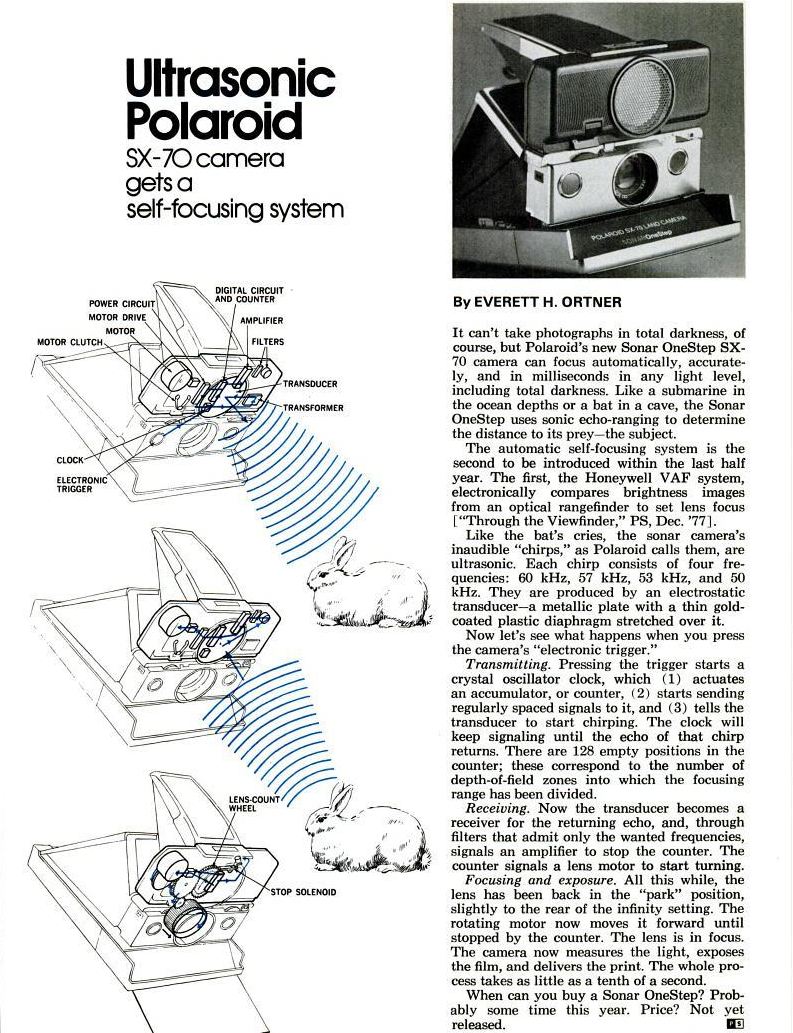
Here’s a diagram on how the sonar worked from the Polaroid cameras.
If we were to combine sonar with the high ISO capable sensors of today, we’d have cameras that could do so much more.
With sonar though, we need to keep in mind that it travels only a certain distance away, so it wouldn’t be ideal for everything. However, for home use, studio use, events, weddings, photojournalism, macro work, and other work that requires relatively close ranges it could surely do very well.
Canon’s Eye-Controlled Focus

Imagine being able to focus a camera with your eye: well you don’t need to imagine anymore. In fact, it was done years ago. Canon developed a special system called Eye-Controlled focus that when calibrated and used correctly, was known to be simply amazing.
Here’s how it worked: The user calibrated their viewfinder. When the user looked straight at the middle, the middle focusing point was chosen and the lens shifted accordingly. The according focusing point was also chosen.
Through the tracking of eyeball movements, EOS cameras were able to choose the appropriate autofocus point based on where the user looked while their eye was in the viewfinder frame. Sports photographers loved it!
Once again though, it was a hit or miss. When calibrated correctly, it wiped the floor with anything else. Eyeglasses were reported to reduce the accuracy a bit.
EOS cameras equipped with ECF are the EOS A2E (U.S. model names are shown; see the table below for equivalents in other countries), EOS Elan IIE, EOS IXe, EOS-3, EOS Elan 7E, and EOS Elan 7NE.
It would be amazing to use today because of the autofocusing complaints of many users. Additionally, many entry level users don’t totally understand how to use autofocusing and if the system was tweaked enough to work better, it would be a hit for most casual users: especially with the recent rise of DSLR cameras.
Please Support The Phoblographer
We love to bring you guys the latest and greatest news and gear related stuff. However, we can’t keep doing that unless we have your continued support. If you would like to purchase any of the items mentioned, please do so by clicking our links first and then purchasing the items as we then get a small portion of the sale to help run the website.