

Last Updated on 08/30/2011 by Sander-Martijn

Film—according to the Associated Press, it’s back! Take a look at the walls of your Facebook friends or any of the recent trends in professional photography and you’ll see a lot of the Polaroid look with its cross processing characteristcs. Even advertising campaigns are using Polaroids! Admittedly, we’ve reviewed an instant film camera and an old Leica legend. Indeed consumers do dig the retro look of some cameras. Not at all meant to insult seasoned film shooters, but take a closer look at all the hysteria and you’ll begin to notice some still very familiar undertones.
Marketing
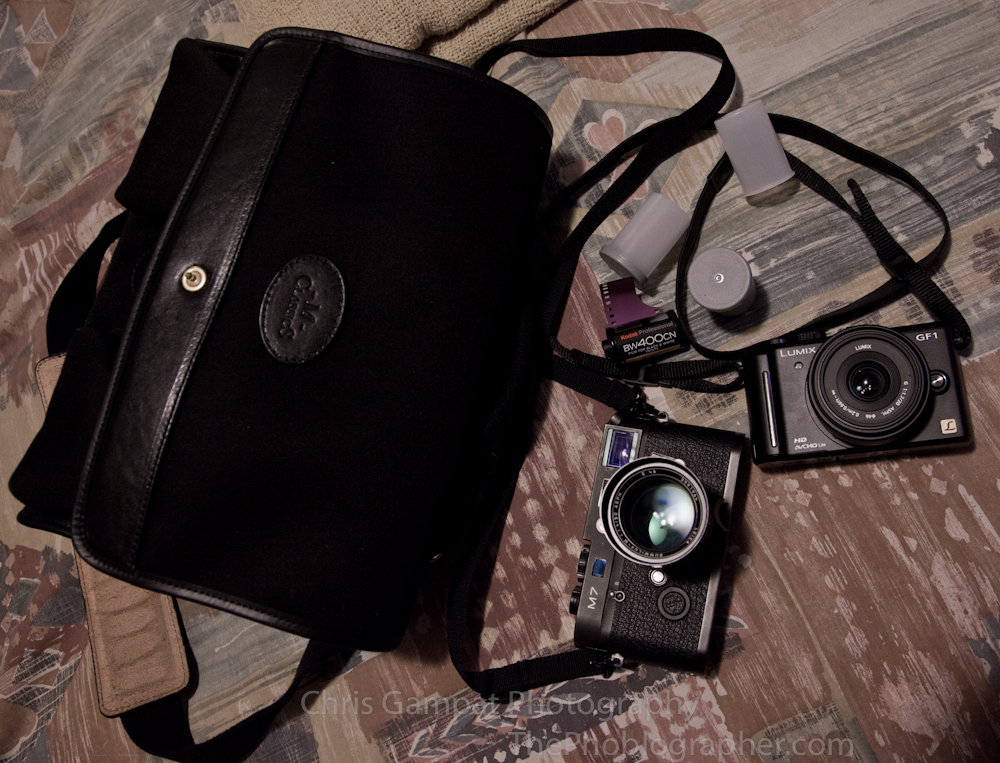
For those of you who don’t read this blog often, I work in Social Marketing. Through use of the internet, the film-frenzy has spread tremendously.
Really? Has it? It is really a “film-frenzy?”
I don’t think so. It’s a digital frenzy with film overlays and filters made simple.
Think of the marketing ploys used with many of these items and what terminology usually comes to mind: simplicity, retro, Polaroid, nostalgia, love, etc. One of the big rules in marketing is to appeal to a human need which comes from listening to your customers and also market research. What are these needs?
– Many people are very simple and total technophobes. The need to keep things simple and not give consumers something extra to worry about is very appealing. Otherwise, they won’t care for the product. I’ve seen this first hand with a client I used to teach photography to: he had an iPhone and didn’t know how to use it. His words were, “It’s a piece of crap. They say it’s so simple and I can’t even make a call.”
Adapting to new technology is something that many people don’t want to do. More on this later on.
This also ties into the retro/vintage look. You can partially blame the rise of hipster culture for this.

– Many people love to reminisce about the better and good times. This is why your news feed on Facebook is bombarded with loads and loads of photos that are just pulled from the camera and many times not even organized correctly into albums.
– Finally, love. Take a look at some of the recent trends in wedding photography or go through a load of photos over at Snapknot.com. One of the latest marketing strategies that wedding photographers use is giving the photos a retro/cross process/vintage type look to them. Years from now when the happy couple looks back on the photos, the nostalgia will hit them ten-fold.
It’s pretty genius, actually.
And clients love it. To be fair, clients also love it when I bundle an iPad with their photos.
Further on the point of the good times, many people from my generation (I’m 23) or a bit older remember and perhaps have all those old Polaroids their parents used to snap of them. This is also a generation heavily influenced still by popular culture: like Lady Gaga‘s constant plugs for Polaroid in anything she does.
But what is being sold exactly?
Sales
I can’t tell you how many times I’ve tried to pitch film stories to my higher ups for different companies and publications but that it doesn’t always work. Then recently, one of my bosses told me a little fact that really hit home with me:
“People like film, but sales aren’t significantly up. None of the old films are being revived, Kodachrome isn’t coming back.”
That’s when it hit me—he’s totally right. At the end of the day, what keeps that trending flowing is money. Digital cameras still far outsell film cameras. Even for someone like my mother who is a total technophobe, when I offered to get her old Olympus OM-2 repaired she refused and said that she would much prefer a digital camera even though she doesn’t know how to use one. My sister and I both always end up teaching and re-teaching her how to use it.
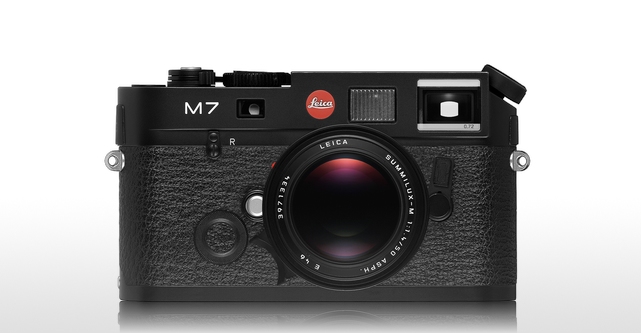
Don’t believe it? Ask Leica. The company is known for having held fiercely onto their traditions and characteristics that make them unique. Yet sales of film cameras are less than 5% according to the latest published statistic.
Now, dive even deeper and you’ll notice that this is a bit of a flawed statistic. Go into the used section of any major photography retailer and you’ll see it dominated by old film cameras. Sales of these cameras only go to the store and do not trickle back to the manufacturer. This is good for you, great for the stores making a profit off it it, and bad for the manufacturer.
Still not convinced? Try Craigslist.org. There are loads of film cameras there. Once again, no profit goes to the manufacturer. People just don’t want to buy new film cameras. So instead, they do the second best thing: buy some app for their phone that applies these artistic filters for them.
Take a look at the stocks for Eastman Kodak whose stock reached the high around April of this year and then went down again. Then switch to the 10 year view and you’ll see a much different change. Also take a look at Fujifilm; who also seems to have been struggling a bit. Indeed, Polaroid filed for Chapter 11 more than once in the past ten years.
Where is the money going then?
Hipstamatic
Hipstamatic, it’s all the rage on the iPhone and other Apple products. Its Android counterpart, Retro Camera, is admittedly fun and an app that I’ve actually been known to use.
But what makes these apps so appealing?

– Easy sharing abilities with Twitter, Facebook, E-mailing, and texting being integrated into the apps for your phone.
– A wide selection of filters and unique interface giving you a look and feel of old-school film cameras and films.
– A great price which appeals to many unemployed or not wealthy consumers.
– The ability to take a photo quickly and not have to mess around with shutter speed, ISO, aperture and other exposure values or even going through menu and after menu to make people get to the setting they want. More than ever the, “Kodak moment” is back.
– Tumblr’s aggregation of loads of these photos into internet memes.
– Even though the images may not match the real thing, they are more than close enough for many of these untrained eyes using the apps.
– It’s fun. It empowers the average consumer to feel like they can be an artist and with ease.
People like the vintage look too. In conclusion one can make a very strong argument that it is still a digital revolution with film overlays and masks.
Is this all crazy talk from a digital photographer? Let us know your thoughts in the comments below.