

Last Updated on 11/01/2012 by Gevon Servo

A silent moment and there is no one around. Leaves fall off the branches. It’s a cool, early morning, just before sunrise. A landscape is what I have come to photograph. Landscape photography is something I was a student of; way before I became a proper photographer. Looking out into an open space or an image of a landscape has always been something I enjoyed. It’s an appreciation of the natural world, I guess. Now, in my photographic endeavors, I’m focusing more and more on landscapes. One of the most fundamental aspects of it is the gear.
A Little on my Landscape Photography
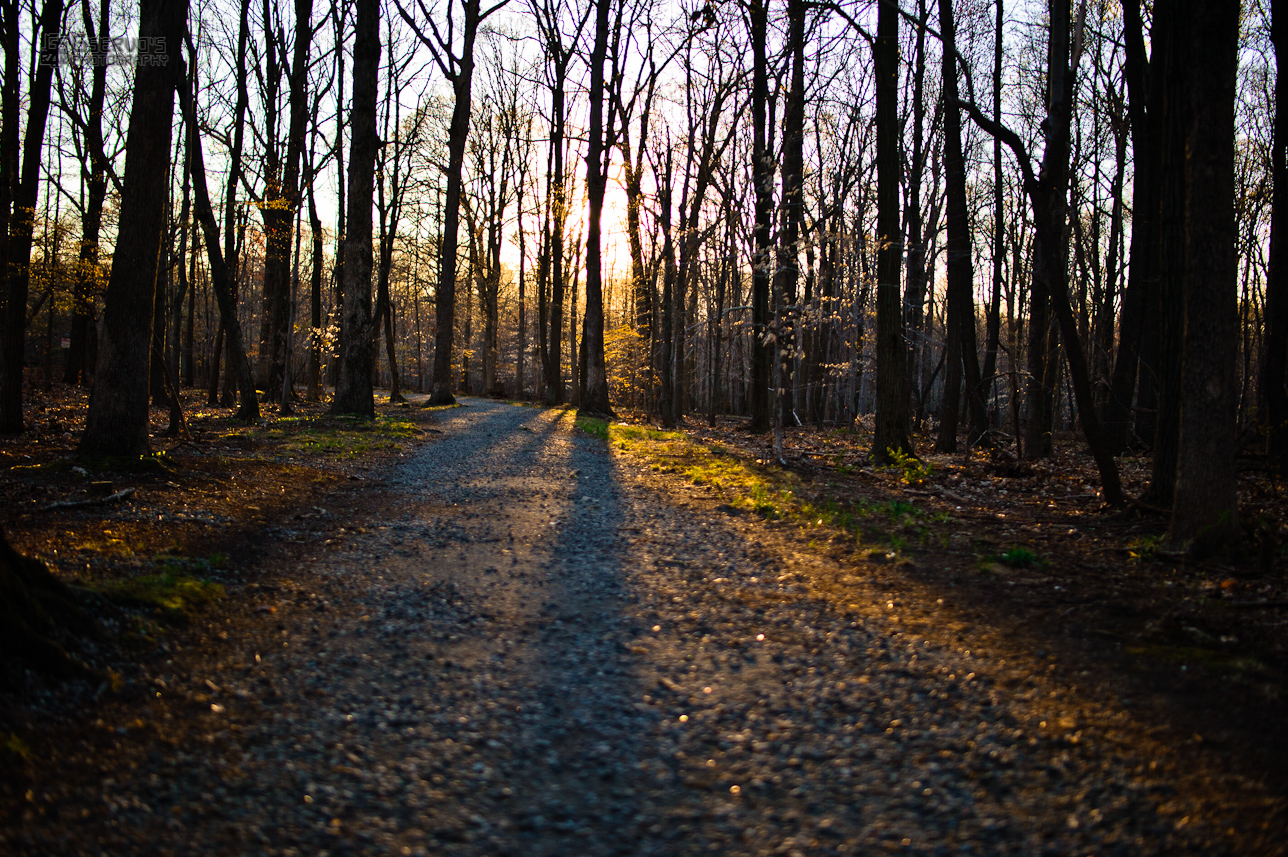
From what I have read and observed of the work of other landscape photographers, I try to not limit my landscape photography to just natural spaces that are devoid of human influence. Yet, I do try to limit the number of humans in the shot. I love nature but I do use city and urban environs, as well. I like cityscapes and always find the physical aspects of urban areas appealing. Capturing these images is partly about the gear I use. Landscapes can be taken with any camera, but I have my preferences.
The Landscape Photography bag

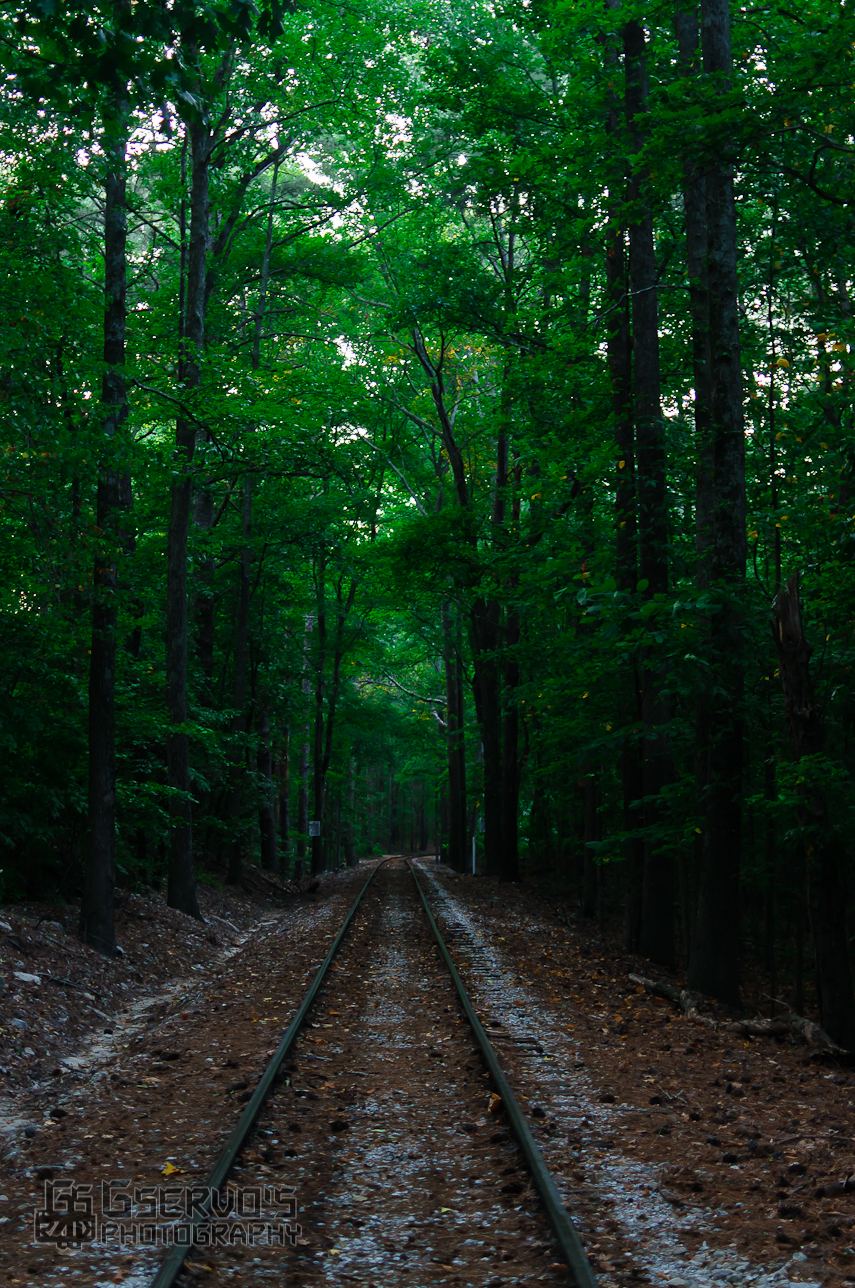
A very important part of landscape photography is what you carry and how you carry it. A sturdy camera bag is essential. There are two bags I use, my trusty, but now discontinued, Crumpler Customary Barge (updated version Customary Barge Deluxe Backpack), and my Tamrac Evolution 8. Both bags, when packed correctly, can carry all the gear I would need for a day or two of shooting. Both bags are really comfortable. When choosing landscape photography, you may have to walk or ride a path less traveled in order to get those unique shots.
In the Bag
It’s my belief that a bag should be able to carry a lot including cleaning gear spare batteries and battery chargers. Even if you do not have two, the bag should be able to carry two DSLR bodies. It’s good to have a backup, especially if you are traveling great distances. And there should be space for off an camera flash because there may be an instance when you need to use a fill flash. You want to be prepared. Even though you can use any lens for landscapes I do recommend wide angle.
Going Wide
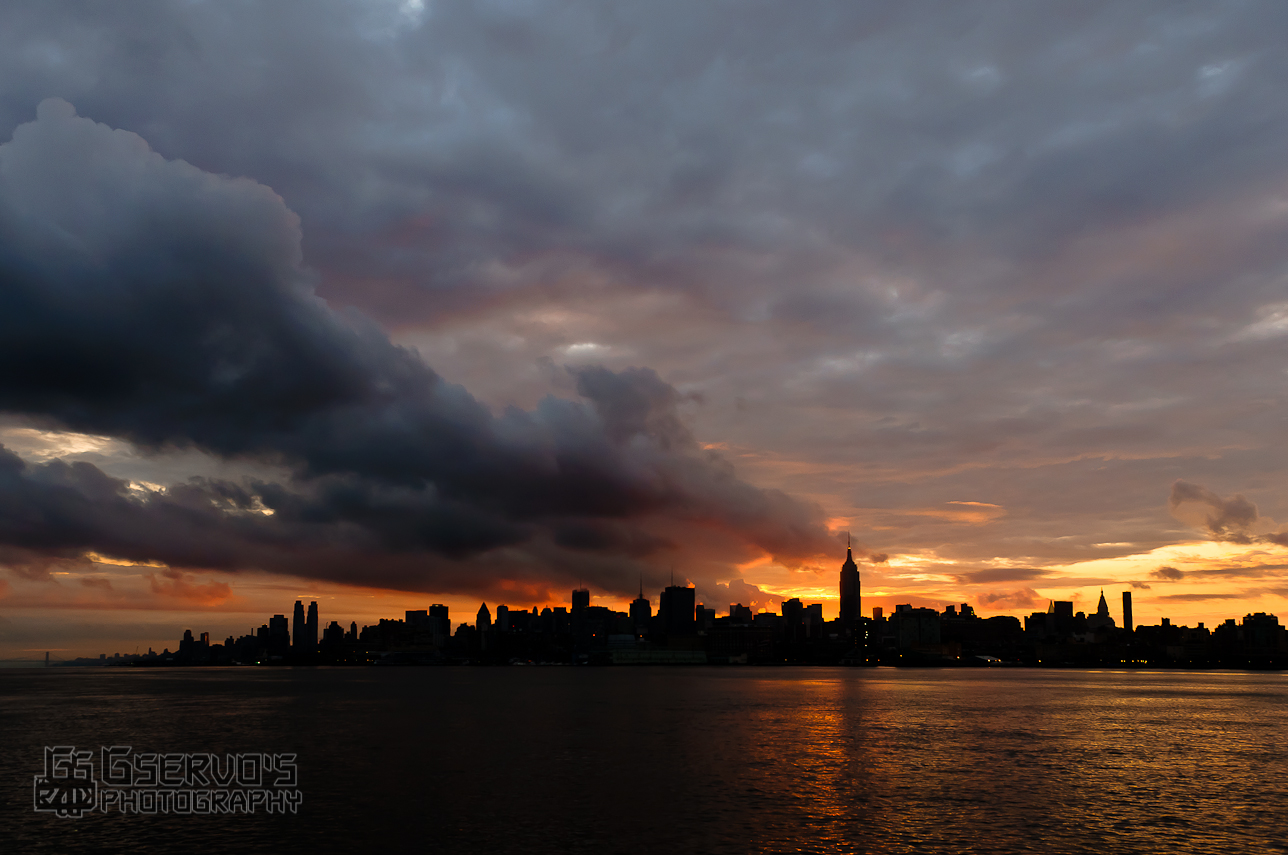
Wide angle lenses are what the serious landscape photographers want to use. These lenses are generally in the range of 35mm – 14 mm. A common focal point between Canon and Nikon is 35mm. Both companies offer fast and affordable light weight 35mm lenses that are great for landscapes. There are other great lenses like the Sigma 12-24mm for multiple camera mounts, the Nikon 12-24mm and the Canon 17-40mm lens. Over all, though, all photographers will have to do some research to see which lens is right for them.
Filters
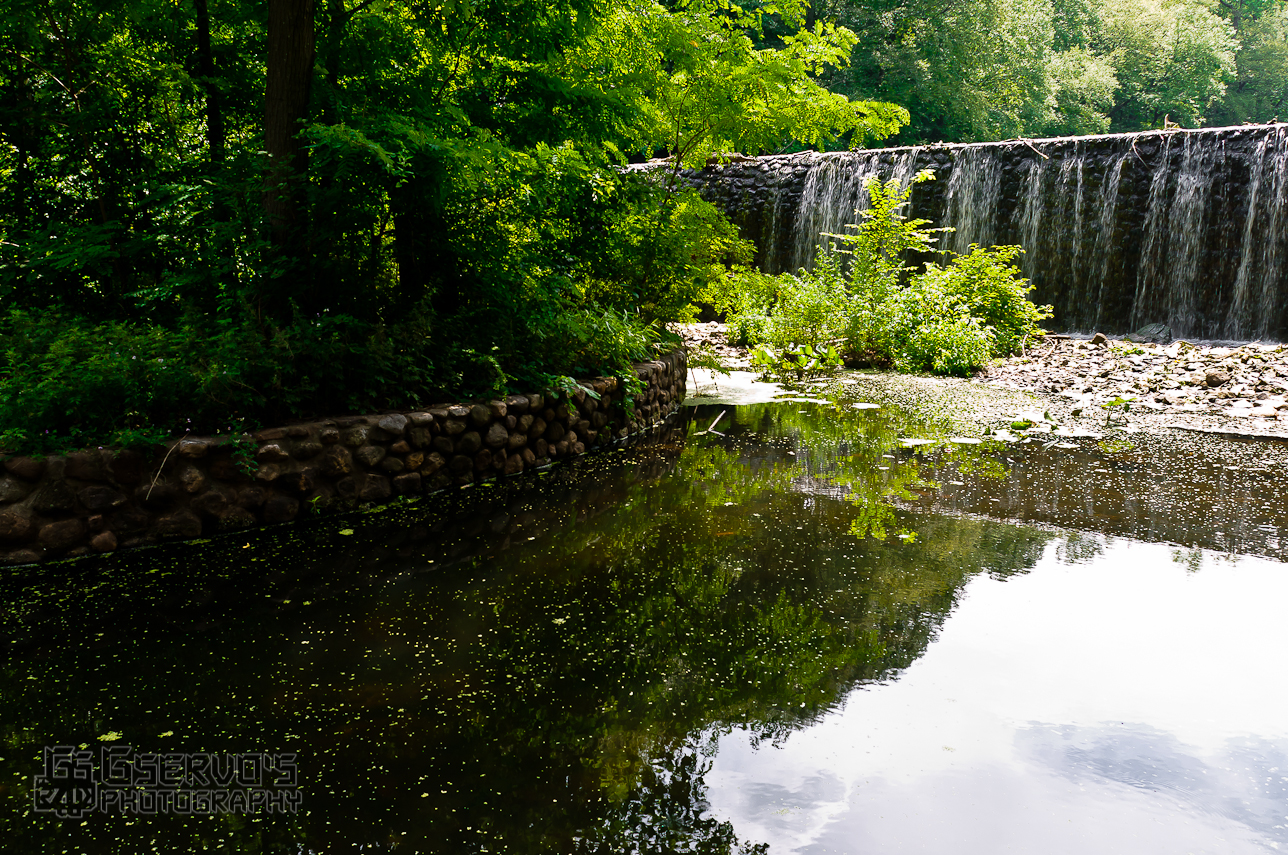
Along with the lenses, you may want to think about filters. There are three types I use that are important to my landscape photography. At times, there are lighting conditions that need a little more tweaking beyond exposure settings. My filter of choice is a circular polarizing filter which, when pointed at the sky, can make the blues darker or can add some contrast to the sky; helping to saturate colors and eliminate some reflections. Another good filter for landscape photography is a graduated neutral density filter or split neutral density filter. Half of this filter is neutral density which transitions to clear. This filter can help with over exposed portions of the image.
Steady on
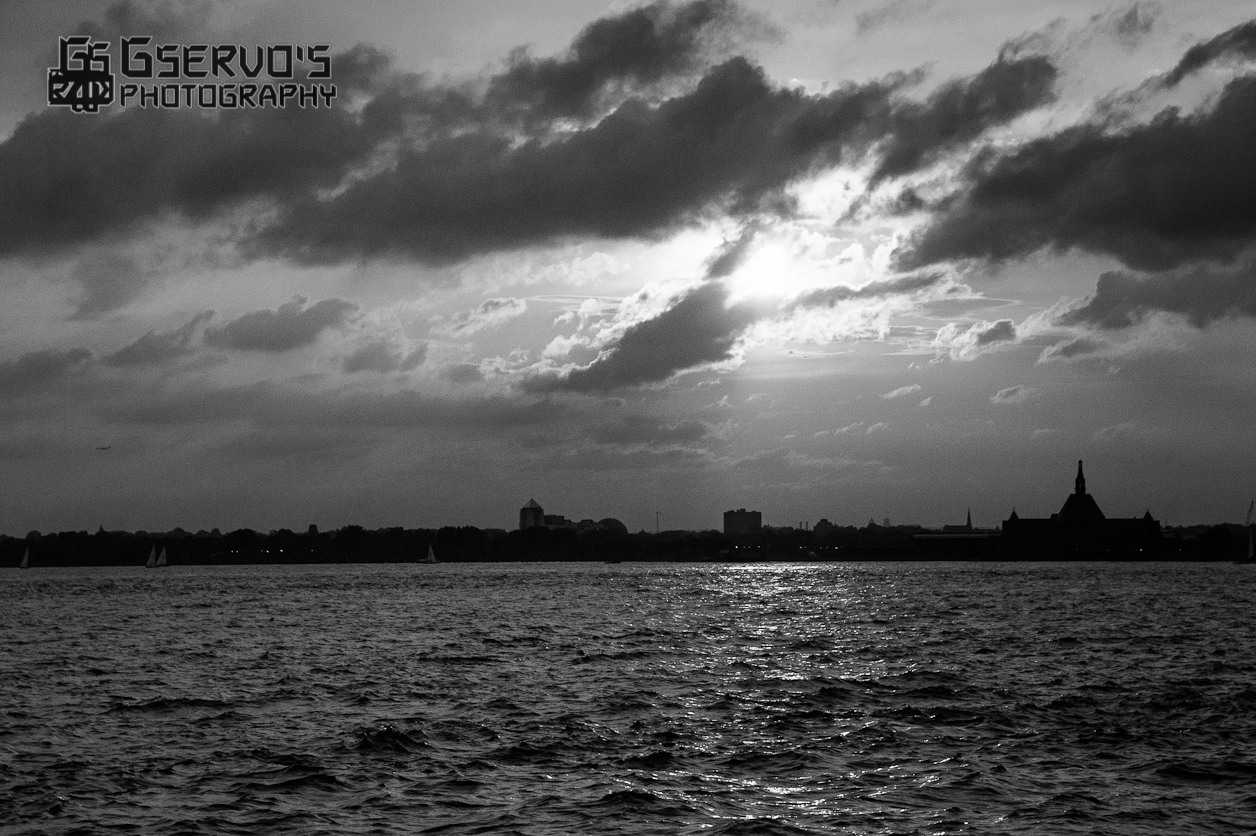
The more steady your camera is, the better the photograph will be. The best way to do this is with a good tripod and a remote trigger. Depending on where you are, like a city, you can get away with using the environment as your tripod and not have to carry it around, but in the woods, far out on the trail, you’ll need something stable. The combination of a tripod and a remote trigger, wired or wireless, will make sure the camera does not move while taking the shot. The slightest movement when the shutter button is pressed can ruin the sharpness of an image.
That’s not to say that you need the trigger though; setting your camera to delay shooting works also.
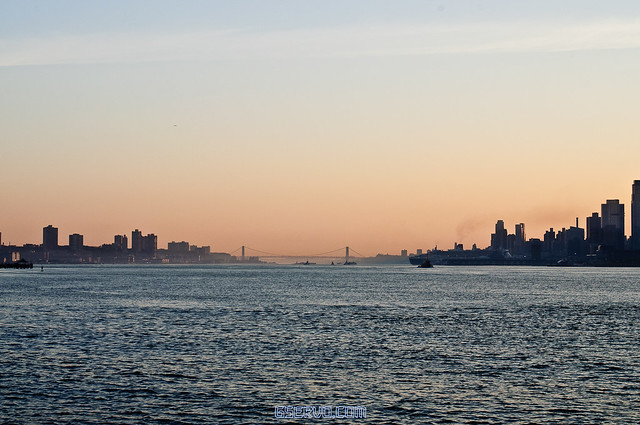
With these suggestions, I do believe you can go out and capture some great images. More musings on landscape photography to come in the next part of this series.
Please Support The Phoblographer
We love to bring you guys the latest and greatest news and gear related stuff. However, we can’t keep doing that unless we have your continued support. If you would like to purchase any of the items mentioned, please do so by clicking our links first and then purchasing the items as we then get a small portion of the sale to help run the website.